Banking & Saving
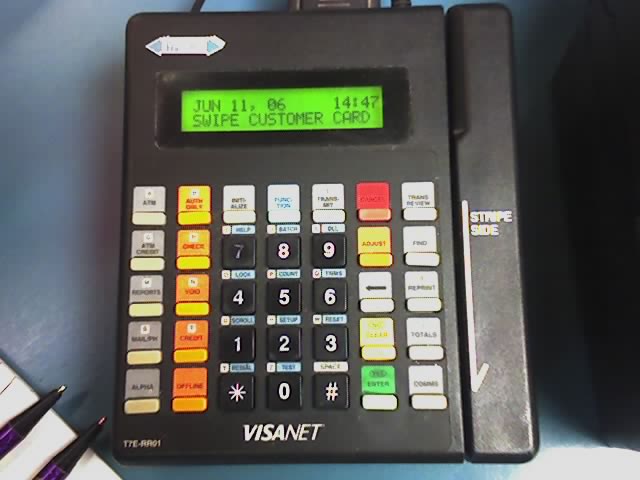
Chargebacks vs Refunds: Knowing Which to Use
A refund comes from the merchant and a chargeback comes through your card issuer under federal billing rights. Here is…
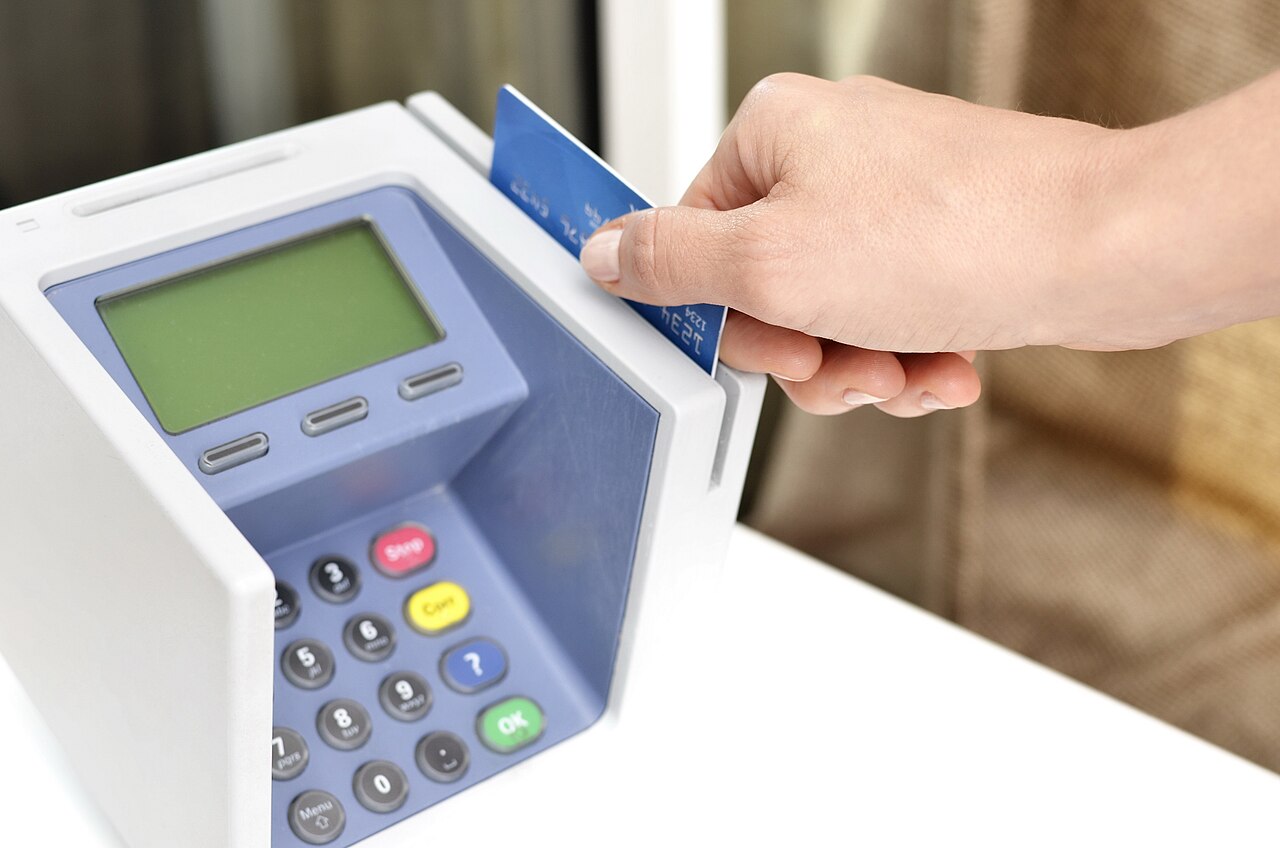
Secured Cards: Rebuilding Credit One Step at a Time
A secured credit card uses your own deposit as the credit line, then reports your payments like any other card.…
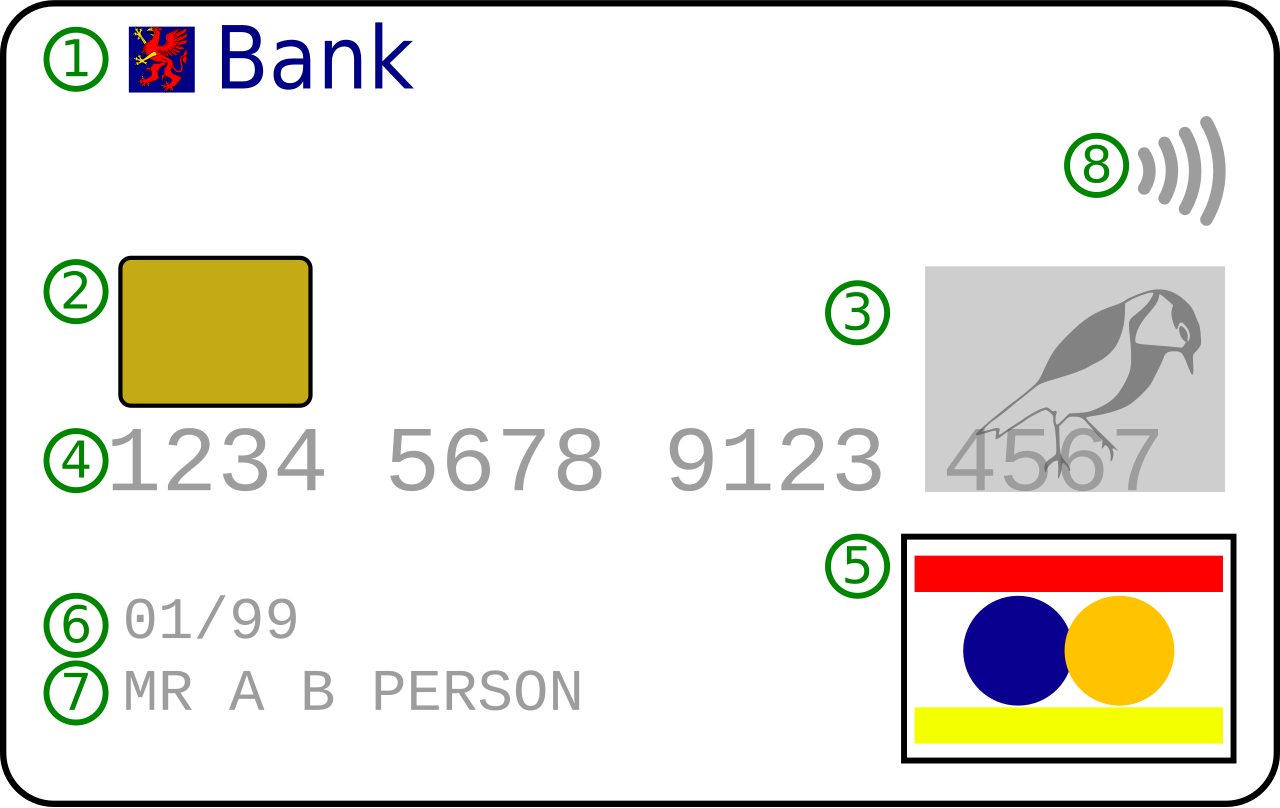
The Schumer Box: Reading a Card’s Real Costs
Every credit card offer includes a standardized table of rates and fees called the Schumer box. Here is how to…
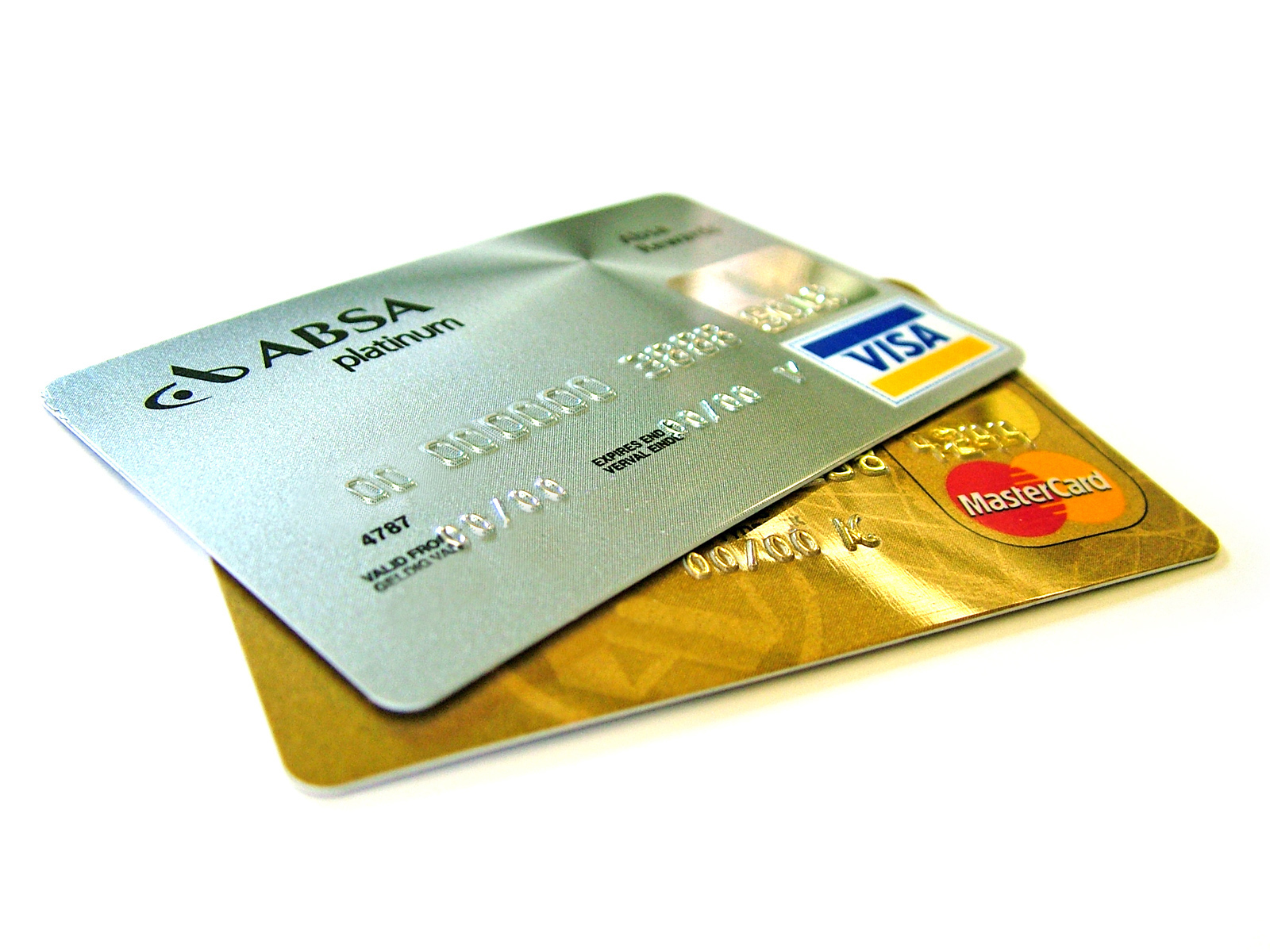
Balance Transfer Offers: The Fee Math That Decides It
A 0 percent balance transfer can save real money, but only if the transfer fee, the promo clock, and your…
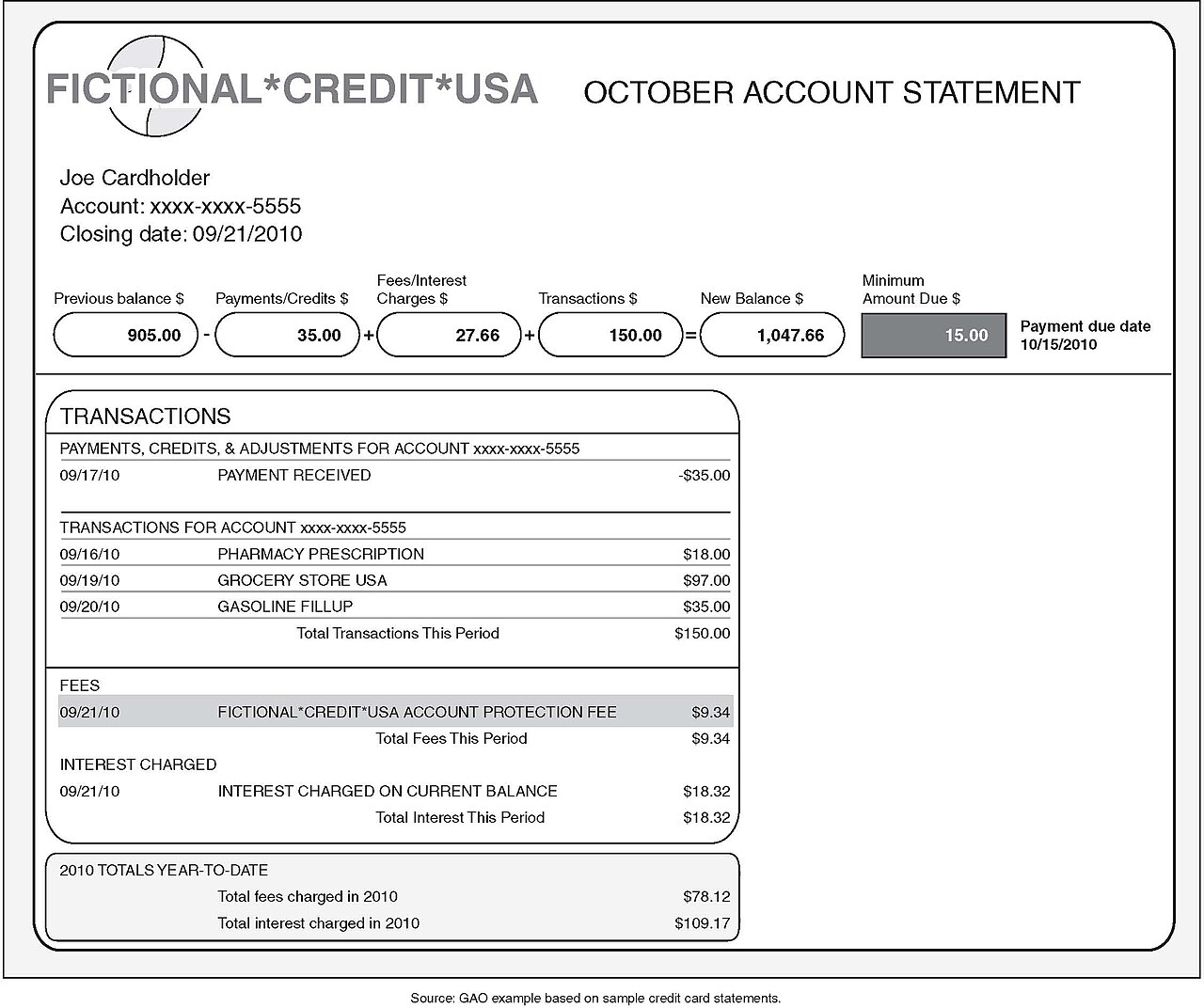
How the Minimum Payment Keeps You in Debt
The minimum payment is designed to keep an account current, not to get you out of debt. Here is the…

Secured vs Unsecured Debt: Why the Difference Matters
Secured debt is backed by something a lender can take, and unsecured debt is not. That one difference decides rates,…

Charge-Offs: What They Mean and How Long They Last
A charge-off does not erase a debt. Here is what the term really means, how long it stays on your…
Credit Utilization: The Ratio and How to Lower It
Credit utilization compares your card balances to your limits, and it moves your score fast. Here is how the ratio…
Debt Validation: Making a Collector Prove the Debt
Federal law gives you the right to make a debt collector prove a debt is yours before you pay. Here…

The Avalanche or the Snowball: Paying Debt by the Math
Avalanche and snowball are the two classic debt payoff methods. Here is how each one works, what the math says,…