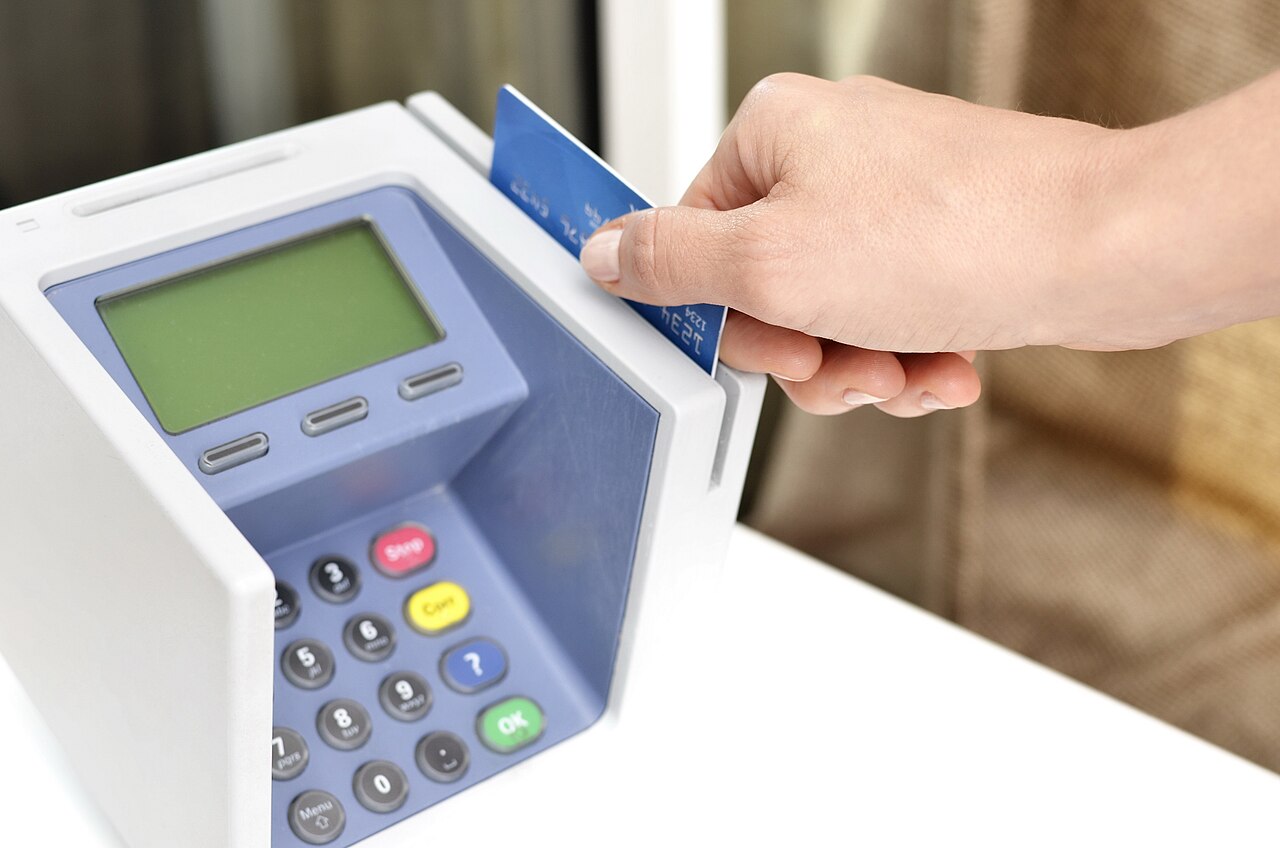
If your credit is damaged, or you simply have none, you face a frustrating loop: lenders want to see a track record of borrowing before they will let you borrow. A secured credit card is the most reliable tool for breaking that loop, because it removes the lender’s risk with your own money. You put down a refundable deposit, typically a few hundred dollars, and the bank gives you a credit line usually equal to it. From there, the card works like any other, and, crucially, it reports like any other.
That reporting is the whole point. Used well for a year or so, a secured card builds the on-time payment history and low balances that credit scores reward, often opening the door to regular cards, better rates, and easier approvals for apartments and phone plans. Used carelessly, it damages credit just as efficiently as an unsecured card. The tool is neutral; the habits decide.
How the deposit and the credit line work
The deposit sits with the issuer as collateral. Put down $300 and you generally get a $300 credit line; some cards allow larger deposits for larger lines. The deposit is not spending money and does not pay your bill each month. You still receive a statement, and you still must pay it. The deposit only comes into play if you default, and you get it back when you close the account in good standing or when the issuer upgrades you to an unsecured card.
The Consumer Financial Protection Bureau’s credit card resources cover how secured cards fit among your options and what to compare before applying.
Choosing a card that actually helps
Three questions separate a good secured card from a bad one. First: does it report to all three nationwide credit bureaus? If the issuer does not furnish your history to Equifax, Experian, and TransUnion, the card cannot do its main job. Ask before applying; reputable issuers say yes plainly.
Second: what are the fees? The best secured cards charge no annual fee. Be wary of cards, sometimes marketed hard to people with damaged credit, that layer on application fees, monthly “maintenance” charges, or enrollment costs. Every dollar of fees is a dollar of your rebuilding budget doing nothing.
Third: is there a path to graduate? Many issuers periodically review secured accounts and, after a stretch of on-time payments, upgrade the account to unsecured and return the deposit. An issuer with a stated graduation practice saves you from having to close the account and start over later.
Using it: small, boring, and on time
The rebuilding recipe is almost anticlimactic. Put one small recurring charge on the card, a streaming service or a phone bill, set up autopay to clear the full statement balance every month, and then leave the card alone. Paying in full avoids interest entirely, which matters because secured cards often carry high rates. On-time payments build the single largest component of your score month after month.
Keep the reported balance low, too. Scoring models look at your balance relative to your limit, and on a $300 line, even modest spending reads as high utilization: a $150 balance is 50 percent. Keeping usage well under a third of the limit, per the CFPB’s guidance on maintaining a good credit score, is the target, and on a small line that means keeping charges genuinely small.
Watch your progress where lenders will look
Give the card two or three months, then confirm it is showing up. You can check your credit reports from all three bureaus free every week at AnnualCreditReport.com. Verify the account appears, the limit is right, and payments show as current. While you are in there, dispute any old errors dragging you down; cleaning up wrong information can help as much as new good history.
Expect gradual movement, not magic. Scores respond to months of consistency, and the trajectory matters more than any single month. Twelve clean months is a meaningful record; twenty-four is a story lenders believe.
The endgame: graduating and keeping the gains
After a year or so of flawless use, you have options. If your issuer offers graduation, ask about it directly. If not, you can apply for a modest unsecured card and, once approved, decide what to do with the secured account. Get your deposit back either through graduation or by closing the account with a zero balance, but think about timing: if the secured card is your only card, closing it before another account is open and reporting can dent your score just as it is climbing.
Two last cautions. A secured card is not the same as a prepaid card or a debit card; those do not report to the bureaus and build nothing, no matter how responsibly you use them. And no card, secured or otherwise, requires paying a company to “repair” your credit alongside it. The formula is unglamorous and public: a real account, small balances, every payment on time, repeated. A secured card simply lets you run that formula when no one else will hand you the chance.