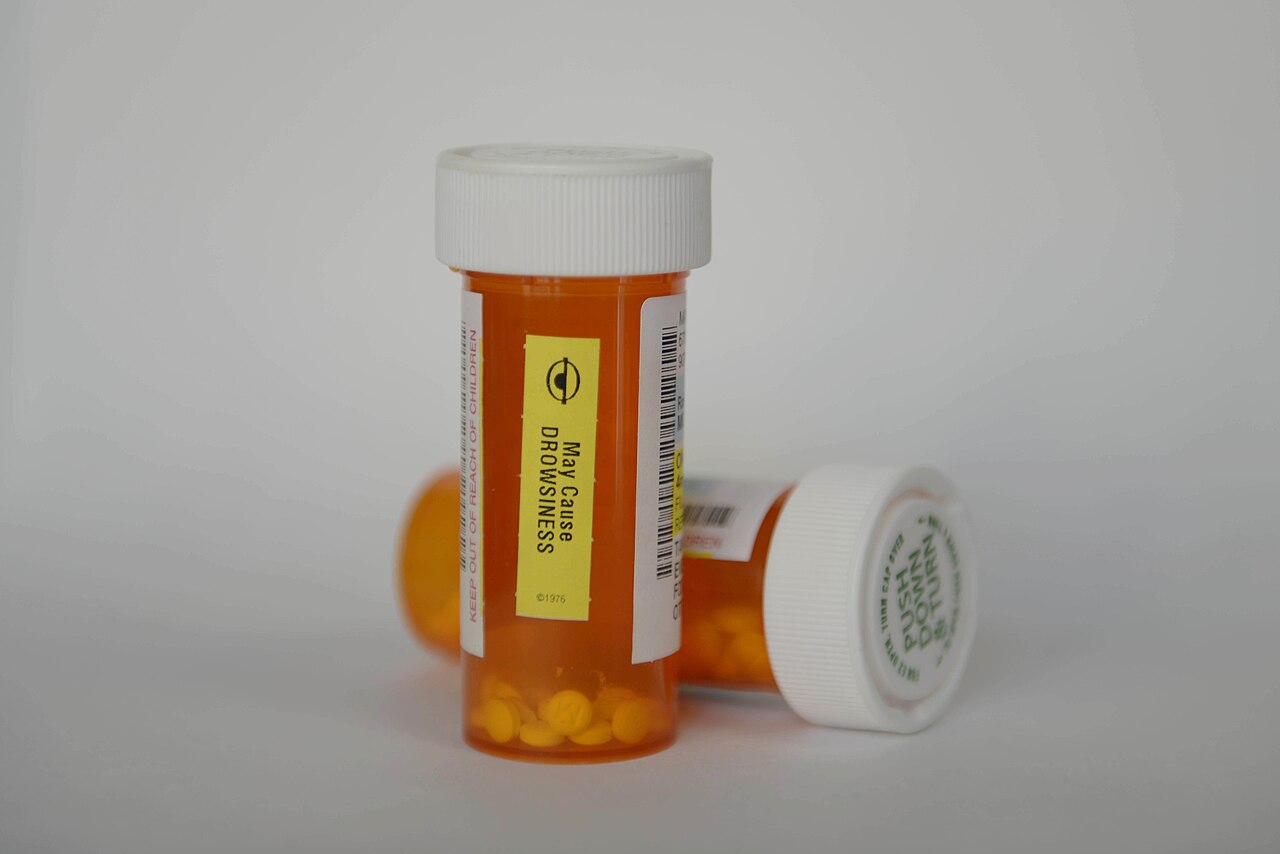
Here is a fact that surprises most people: the majority of drug recalls never make the evening news. A manufacturer finds a labeling mix-up, a failed dissolution test, or an impurity in one production run, notifies the FDA, and quietly pulls the affected lots from pharmacy shelves. Unless the risk is serious enough to warrant a public press release, you could be holding a recalled bottle and never hear a word about it. That is not a cover-up; it is triage. The system saves its loudest alarms for the recalls that can actually hurt someone.
The good news is that every one of those recalls is published somewhere, and the somewhere is free and public. Knowing which FDA list to check, and how to read your own bottle, turns a system built for pharmacists into one that works for you.
The front page: Recalls, Market Withdrawals and Safety Alerts
The FDA’s main public recall page is Recalls, Market Withdrawals, & Safety Alerts. This is the running list of recalls the agency and companies have announced with a public notice, covering not just drugs but food, medical devices, cosmetics, and animal products. Each entry links to the company’s announcement with the product name, the reason for the recall, photos when available, and the specific lots involved.
This page skews toward the serious cases: recalls where the public is being asked to check their homes. It is the right first stop, but it is not the complete record.
The drug-specific list
For medications in particular, the FDA keeps a dedicated drug recalls page. It collects recall announcements for prescription and over-the-counter drugs in one place, which saves you from scrolling past lettuce and dog food entries. If you take a medication long term, it is worth a glance whenever a refill looks or smells different than usual, since manufacturing changes and recalls are two common reasons a familiar pill suddenly is not.
The complete record: the weekly Enforcement Report
The full universe of recalls, including the small ones that never get a press release, lives in the FDA’s Enforcement Report, a searchable database updated weekly. Every recall the agency processes eventually appears here with its classification, the recalling firm, the product description, the reason, the lot numbers, and how widely the product was distributed.
The Enforcement Report is written for industry, so it reads a little dry, but the search works well: you can filter by product type, date range, and keywords. New entries sometimes show as “not yet classified” while the FDA finishes its health hazard evaluation, then get assigned Class I, II, or III, with Class I reserved for problems that could cause serious harm or death.
How to check your own bottle
Drug recalls almost never cover every bottle of a medication. They cover specific lots, which is why the lot number matters more than the drug name. On an over-the-counter product, the lot number and expiration date are usually stamped on the bottom of the carton or the shoulder of the bottle. On a prescription, the pharmacy label often does not show the manufacturer’s lot number, so the fastest check is a phone call to your pharmacy: they can see which manufacturer and lot they dispensed to you.
Pharmacies are also your safety net in the other direction. When a recall hits, wholesalers and pharmacies pull affected stock, and many pharmacies contact patients who received recalled lots. But that outreach is not guaranteed everywhere, which is why the public lists exist.
If your medication is recalled, do not just stop taking it
This is the step people get wrong most often. For many chronic medications, abruptly stopping is more dangerous than the defect that triggered the recall, especially for blood pressure, heart, seizure, and thyroid drugs. The recall announcement itself usually says whether patients should stop immediately or keep taking the product until they have a replacement, and your pharmacist or prescriber can move you to an unaffected lot or an equivalent product, often the same day.
Bring the bottle with you or have the lot number handy. If a refund is offered, the announcement lists the manufacturer’s contact information and instructions, and you generally deal with the company directly rather than the FDA.
Reporting problems: MedWatch
Recalls frequently begin with reports from ordinary patients and pharmacists who noticed something wrong: an odd odor, a pill that looks different, an unexpected reaction. The FDA’s reporting channel for that is MedWatch, which takes reports online or by phone at 1-800-332-1088. MedWatch also offers safety alerts by email, which is the easiest way to hear about significant drug recalls without checking any list at all.
A five-minute report can feel pointless from your kitchen table, but the FDA’s safety system runs on exactly those reports. A cluster of them about the same lot is often what starts the investigation that ends with the product coming off the shelf.