It is a July afternoon, the air conditioner is running hard, and the phone rings. The caller says he is with your electric company, your account is seriously past due, and a crew is already in the neighborhood to disconnect your power within the hour. There is one way to stop it: pay right now, over the phone, with a prepaid card or an instant transfer app. He can even read you a case number.
That call is a script, performed thousands of times a day, and it is designed to work best on exactly the days you can least afford to lose power: heat waves, cold snaps, and the hours before a holiday weekend. The Federal Trade Commission’s guidance on utility impersonation scams lays out the tell plainly. Real utility companies do not operate this way, and the demand for instant, unusual payment is the giveaway.
How real utilities actually handle past-due bills
A genuine utility with a delinquent account sends written notices, usually more than one, before any disconnection. The past-due amount appears on your regular bill, then in a separate shutoff notice with a date, and often in automated reminders. State utility regulators typically require this notice process, and many states restrict disconnections during extreme heat or cold or for households with medical equipment.
Just as important, real utilities accept ordinary payments: through your online account, by mailed check, by phone through their official system, or in person at authorized payment locations. What they do not do is call you and demand a gift card, a wire transfer, cryptocurrency, or a payment app transfer to a stranger’s handle within the hour. Any of those payment demands ends the question immediately. As the FTC puts it, anyone who requires those payment methods is a scammer, whatever the caller ID says.
The pressure tactics to expect
Utility impersonators lean on a few reliable moves. They spoof caller ID so the call appears to come from your actual provider. They call businesses during their busiest hours, restaurants at lunch, salons on Saturday, betting the owner will pay anything to avoid losing power mid-shift. They cite a “disconnection order number” and offer to transfer you to a “payments department” with hold music that sounds like the real thing. Some send texts or emails with links to a payment page that mimics the utility’s site.
A newer wrinkle: callers claim you overpaid and are owed a refund, then ask for your bank details to “deposit” it. The direction of the con is different, but the goal (your account credentials) is the same.
The 60-second response that beats every version
You never have to sort out on that call whether the debt is real. Hang up, find your latest utility bill, and call the customer service number printed on it. That number reaches the actual company, which can tell you in a minute whether your account has any balance due. If you use an online account, log in directly by typing the utility’s web address yourself, never through a link someone sent you.
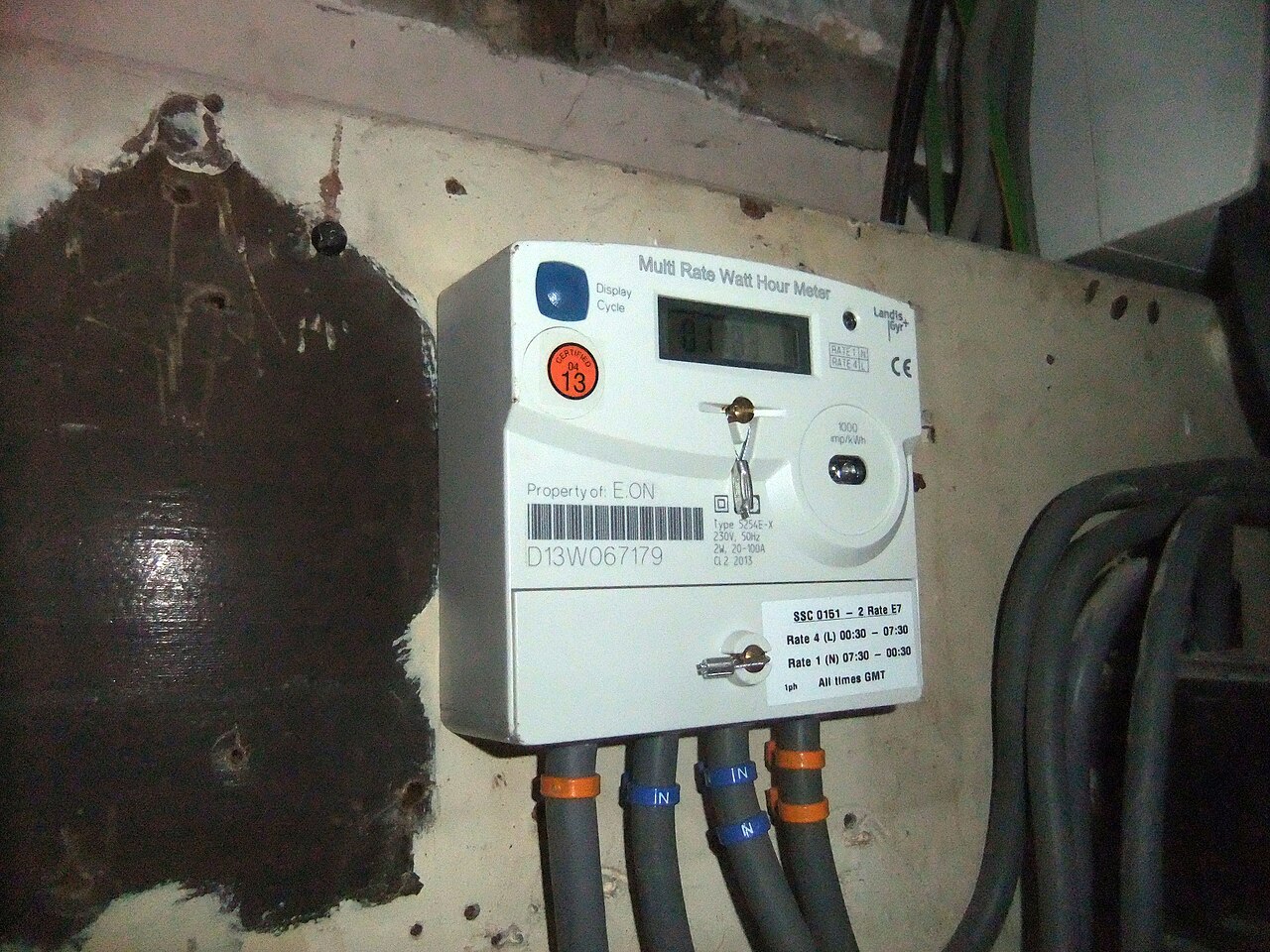
The same rule covers the knock at the door. If someone in a work vest says they need immediate payment to avoid disconnection, or wants inside to “check the meter” for an urgent problem you did not report, ask for identification and call the utility’s listed number before anything else. Legitimate field employees expect that and will wait.
If money is genuinely tight
Part of what makes this scam cruel is that it targets people who really are behind on their bills and afraid. If that is your situation, there is a legitimate path that does not involve prepaid cards. Call your utility and ask about payment plans; most offer them, and many have hardship programs. The federal Low Income Home Energy Assistance Program, run through the Department of Health and Human Services, helps eligible households with heating and cooling costs, and you can find your state’s program through the LIHEAP page at acf.hhs.gov. A real past-due balance comes with real options. A scammer’s balance comes with a countdown clock.
Report it, even if you hung up in time
If you get one of these calls, texts, or visits, report it to the FTC at ReportFraud.ftc.gov and tell your actual utility, which often posts scam alerts for other customers when a wave of calls hits its service area. If you paid, call your bank or card issuer immediately to try to stop or reverse the payment, and keep any receipts, card numbers, or transfer confirmations for the report.
The bottom line travels well beyond utility bills. Deadlines measured in minutes, threats delivered by phone, and payment methods built for strangers are the three-part signature of a con. Your electric company wants you as a paying customer for the next thirty years. It has no interest in racing you to a gift card rack this afternoon, and anyone who does has told you exactly what they are.