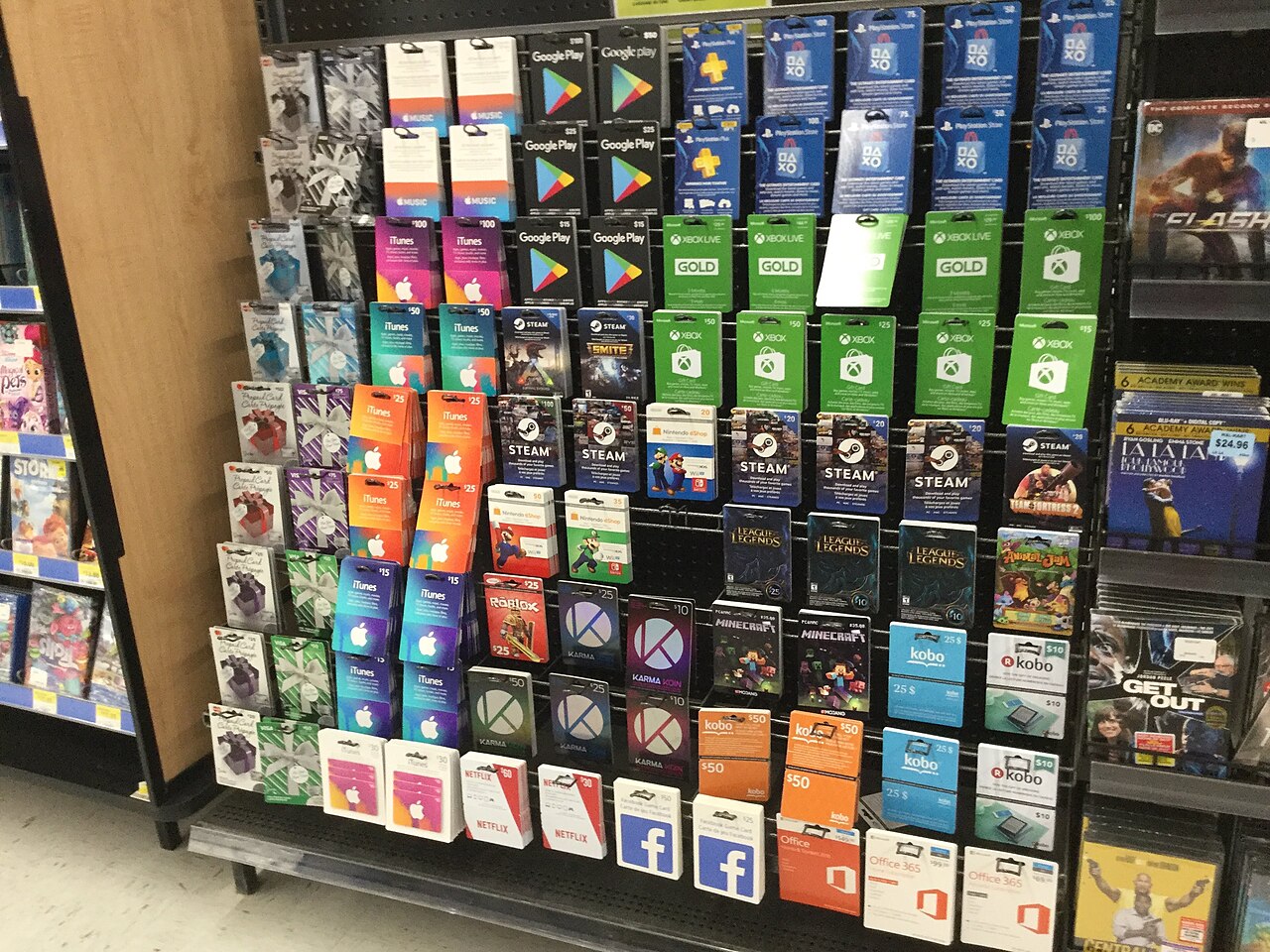
Picture the scene that plays out in grocery stores and pharmacies across the country every single day. A shopper stands at the gift card rack with a phone pressed to one ear, loading hundreds of dollars onto retail cards while a voice on the line coaches them through it. The voice claims to be the IRS, or the electric company, or a grandchild in trouble, or tech support at a big software firm. The story varies. The ending never does: once the shopper reads the numbers off the back of those cards, the money is gone.
The Federal Trade Commission has boiled this whole category of fraud down to one sentence worth memorizing: gift cards are for gifts, not payments. Anyone who demands payment by gift card, for any reason, is a scammer. The agency’s guidance on gift card scams does not hedge, because there is no legitimate exception. No government agency, no utility, no bank, no sweepstakes, and no real business settles a debt in Google Play or Apple gift cards.
Why scammers love gift cards
Gift cards are the criminal’s ideal payment rail. They are sold everywhere, they require no identification to buy, and the value transfers the instant the victim reads the card number and PIN over the phone or sends a photo of the back. From there, the scammer can drain the card or resell the number within minutes, often from another country. There is no chargeback process the way there is with a credit card, no bank to freeze the transfer, and usually no way to claw the money back.
That is why the gift card demand shows up bolted onto nearly every scam script in circulation: fake IRS calls, phony utility shutoff threats, tech support pop-ups, grandparent emergencies, romance cons, and prize schemes. The front of the story is interchangeable. The payment demand is the fingerprint.
The scripts you are most likely to hear
A few versions come up so often that it helps to know them cold. The government impersonator says you owe back taxes or missed jury duty and will be arrested tonight without payment. The utility impersonator says your power will be cut within the hour. The tech support scammer says your computer is infected and the “refund” or “security deposit” must be handled in gift cards. The family emergency caller says a grandchild is in jail and too embarrassed to call anyone else, a pressure play the FTC describes in its guidance on fake emergency scams. The romance interest, after weeks of warm messages, suddenly has a customs fee only you can cover.
Every one of those scripts shares three ingredients: urgency, secrecy, and a gift card. Callers will often insist you stay on the phone during the entire drive to the store, precisely so you have no quiet moment to think or to call someone you trust. Some even coach victims on what to say if a cashier asks questions, telling them to claim the cards are gifts for family.
Store clerks are the last line of defense
Retailers and the FTC have pushed training into stores because employees are often the only people positioned to interrupt a scam in progress. If a cashier or manager asks why you are buying several high-value gift cards, that is not nosiness. It is a rescue attempt. Some chains cap the dollar amount that can be loaded onto cards in one transaction for the same reason. If anyone on the phone has instructed you to lie to a store employee, that instruction is itself the proof you are being conned.
If you already paid a scammer with gift cards
Act fast, because speed is the only thing that occasionally gets money back. First, keep the physical cards and the purchase receipts. Second, contact the company that issued the card (the retailer or brand on the front) and tell them the card was used in a scam. Ask them to freeze whatever balance remains. The FTC’s gift card page lists contact information for major card issuers, several of which have dedicated fraud lines.
Then report the scam to the FTC at ReportFraud.ftc.gov. Individual reports feed the Consumer Sentinel database that law enforcement agencies across the country use to spot patterns and build cases. You will not get a case worker calling you back, but your report genuinely matters in the aggregate.
One more thing: skip the shame. These operations are staffed by professionals who run their scripts on thousands of people a week and refine what works. Intelligent, careful people lose money to them constantly. Reporting quickly does more good than quietly absorbing the loss.
The rule that ends the conversation
You do not need to out-argue a scammer, verify their badge number, or figure out whether the debt is real while you are on the phone. The moment anyone demands payment by gift card, the conversation is over. Hang up. If you are worried there might be a genuine issue behind the call, look up the real organization’s number yourself, on a bill or an official website, and call them directly.
Gift cards are for gifts. Say it to yourself, and say it to the people you love who still answer unknown numbers. It is the rare piece of consumer advice with no fine print at all.