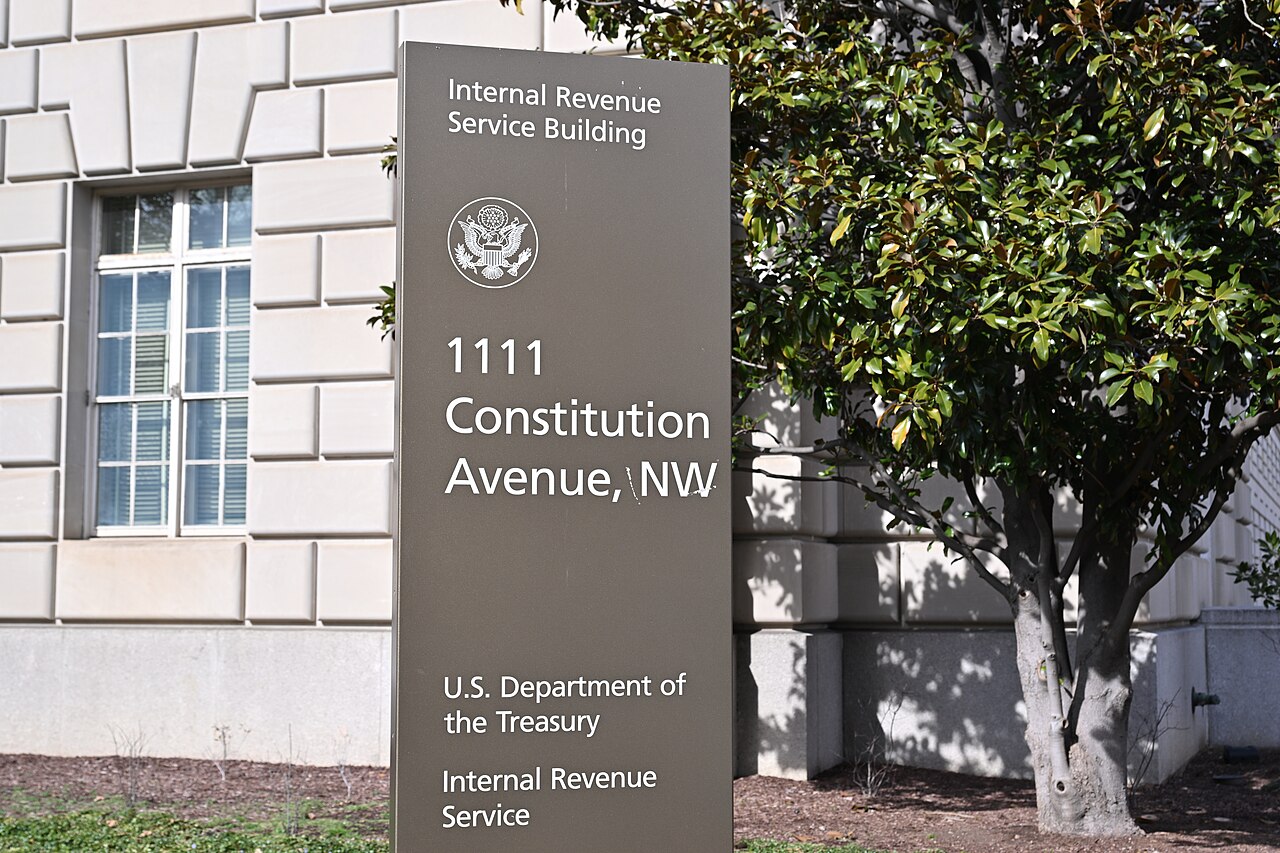
Somewhere inside the IRS is an office whose entire job is to take your side against the IRS, and it does not charge a dime. It is called the Taxpayer Advocate Service, it has staff serving every state, and most of the taxpayers who could use it have never heard of it.
If your refund has been frozen for months with no explanation, if the same notice keeps arriving no matter how many times you respond, if an IRS action is about to cost you your rent money, this is the office built for you. Here is what the Taxpayer Advocate Service does, who qualifies, and how to actually get a case opened.
An independent voice inside the building
The Taxpayer Advocate Service, TAS for short, is an independent organization within the IRS, created by Congress and led by the National Taxpayer Advocate, who reports to Congress each year on the agency’s biggest failures. The structure matters: TAS employees work your case from inside the system, with access to IRS records and the authority to push, but their mandate is protecting your rights under the Taxpayer Bill of Rights rather than collecting revenue. Think of them as the complaints department with teeth.
Beyond individual cases, the office’s annual reports to Congress name systemic problems, from refund delays to identity-theft backlogs, and recommend fixes. That advocacy role is why the same office that helps one stuck taxpayer also pressures the IRS to unstick the process for everyone.
The two doors in: hardship or breakdown
TAS cannot take every unhappy taxpayer, so eligibility runs through two broad doors. The first is economic harm: the IRS’s action, or inaction, is causing or about to cause real financial damage. A levy that will make you miss rent, a frozen refund you need for medications, a payroll problem threatening a small business’s ability to make payroll. TAS can act fast in these cases, including requesting expedited releases of levies.
The second door is system breakdown: you have tried to resolve the issue through normal IRS channels and the process simply is not working. A response the IRS promised in 30 days that is six months late. Documents submitted three times and “never received.” A problem bouncing between departments where no one takes ownership. The IRS’s own Taxpayer Advocate page describes both routes. The common thread: TAS is the escalation path, not the first stop. If you have not yet called the number on your notice or responded by the deadline, do that first.
How to open a case
The formal request is Form 911, Request for Taxpayer Advocate Service Assistance, which you can submit by mail or fax to your local advocate office. You can also simply call TAS or your local office directly; the service maintains at least one office in every state, the District of Columbia, and Puerto Rico, with contact information on the TAS website. Describe the problem, what you have already tried, and the harm you are facing, and attach copies (never originals) of the relevant notices.
Once a case is accepted, you are assigned an individual advocate, one person with a name and a phone number, who works the case until it is resolved. After months of general hold music, that alone can feel like a minor miracle.
What TAS can and cannot do
An advocate can dig into your account, find where things actually stalled, coordinate across IRS departments, and issue formal assistance orders when the agency is not moving. What TAS cannot do is change the law or erase a legitimate tax bill. If you genuinely owe the money, the advocate’s job is making the IRS handle your case properly, not making the debt disappear. It is also not a shortcut for a normal refund that is simply inside standard processing times. The office’s power is procedural, and in a bureaucracy, procedural power is considerable.
Free help beyond TAS
One more resource under the same umbrella deserves a mention: Low Income Taxpayer Clinics. These are independent organizations, many at law schools and legal aid groups, that represent lower-income taxpayers in disputes with the IRS, including audits and Tax Court cases, for free or a nominal fee. TAS administers the grant program and publishes a directory of clinics. If your problem is a full-blown dispute rather than a stuck process, a clinic may be the better fit.
The takeaway
Most tax problems resolve through the ordinary channels: answer the notice, call the number, wait the stated time. But when the ordinary channels fail, do not keep feeding quarters into a broken machine, and do not assume your only alternative is paying a firm from a late-night ad. There is a free advocate whose statutory job is getting your case unstuck. Knowing that the Taxpayer Advocate Service exists, and that Form 911 is the key to its door, is one of those pieces of knowledge that costs nothing and can be worth a great deal on the worst tax day of your life.