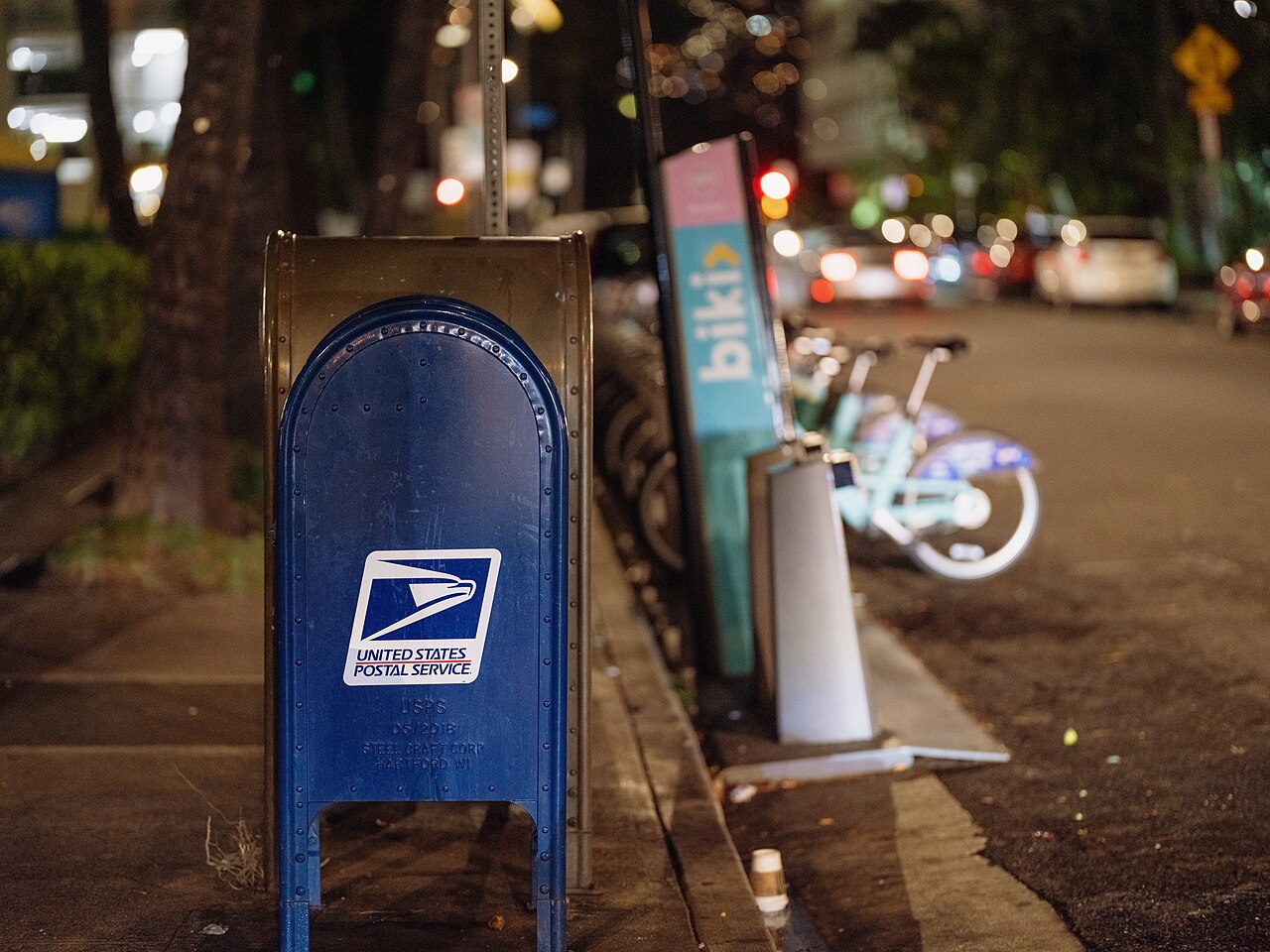
The real IRS almost always introduces itself the old-fashioned way: a letter in your mailbox. Scammers know that, and they have adapted. Instead of only spoofing phone calls and sending phishing texts, fraud rings now mail letters dressed up with eagles, official-sounding bureau names, and payment instructions, betting that an envelope feels more legitimate than a robocall. Some of those fakes are good. None of them are perfect.
Since a genuine IRS notice demands a response and a fake one demands your money, telling them apart is a skill worth five minutes to learn. Here is what a real IRS letter looks like, the tells that give a fraud away, and the one verification habit that beats every counterfeit ever printed.
What a genuine IRS notice looks like
Real IRS mail arrives in a government envelope and concerns something specific about your account: a balance due, a question about a return, a change to your refund, identity verification. In the top or upper right corner sits a notice or letter number, formatted like CP2000 or LTR 3172, along with a tax year and a contact stub. The IRS maintains a lookup explaining what each notice means on its Understanding Your Notice or Letter page; if the number on your letter exists there and matches the letter’s story, that is a strong start.
Genuine notices also read a certain way: they state what the IRS believes, show the math, explain your options including how to dispute, and give deadlines measured in weeks. The tone is bureaucratic, not urgent. Real IRS letters do not gush, and they do not threaten to send the police this afternoon.
The payment instruction is the polygraph
If you remember one test, make it this one. Every legitimate IRS payment method runs to the United States Treasury: checks are made payable to “United States Treasury,” and electronic payments run through the official channels listed at irs.gov/payments. Any letter directing payment to anyone else, a “processing center,” a law firm, a state “bureau” you have never heard of, or any person, is a fraud, full stop.
The same goes for payment methods. The IRS does not accept gift cards, wire transfers to individuals, cryptocurrency, or payment apps, and it does not demand a specific method at all. A letter insisting on one exotic payment channel, especially with a same-day deadline, is a scam wearing a costume.
Other tells that give fakes away
Fraudulent letters lean on urgency and fear: arrest warrants, license suspension, deportation, “final notice before seizure” with a 24-hour clock. The real agency’s process is slow and layered, with multiple notices and appeal rights along the way; the IRS describes how it actually makes contact on its How to Know It’s Really the IRS page. Other red flags: a phone number that does not match any on irs.gov, a demand that you call immediately and “verify” your Social Security number or bank details, odd fonts and typos, no notice number anywhere, or a letter about a tax year you never filed. One more modern wrinkle: some scams reference real programs (a credit, a refund status) to seem plausible, then bolt on a fake fee. The program being real does not make the letter real.
The verification habit that settles every case
Never verify a letter using the letter. The phone number printed on a fake notice connects to the scammer’s own call center, staffed with people happy to “confirm” everything. Instead, go around the letter entirely: sign in to your IRS online account, which shows your actual balance, notices, and payment history. If the letter claims you owe $4,300 and your account shows zero, you have your answer. You can also call the IRS’s main line at a number you find on irs.gov yourself, never one you were mailed. This single habit, independent verification through channels you locate on your own, defeats every fake letter, call, text, and email, no matter how polished.
What to do with a fake, and with a real one
If the letter is fraudulent, do not respond, do not call the number on it, and do not pay. Report it: forward email versions to [email protected], and report mail and phone impersonation to the Treasury Inspector General for Tax Administration through the channels listed on the IRS’s reporting page. Then shred it. If you sent money or shared personal information before catching on, act fast: contact your bank, and consider an IRS Identity Protection PIN so no one can file a return in your name.
And if the letter turns out to be real? Respond by the deadline, even if you cannot pay, because the IRS offers payment plans and the penalties for silence outrun the penalties for owing. The good news buried in all of this: the mailbox is still a place where you hold the advantage. A letter gives you time to think, verify, and respond on your own schedule, which is exactly the time a scammer’s script is built to take away from you. Use it.