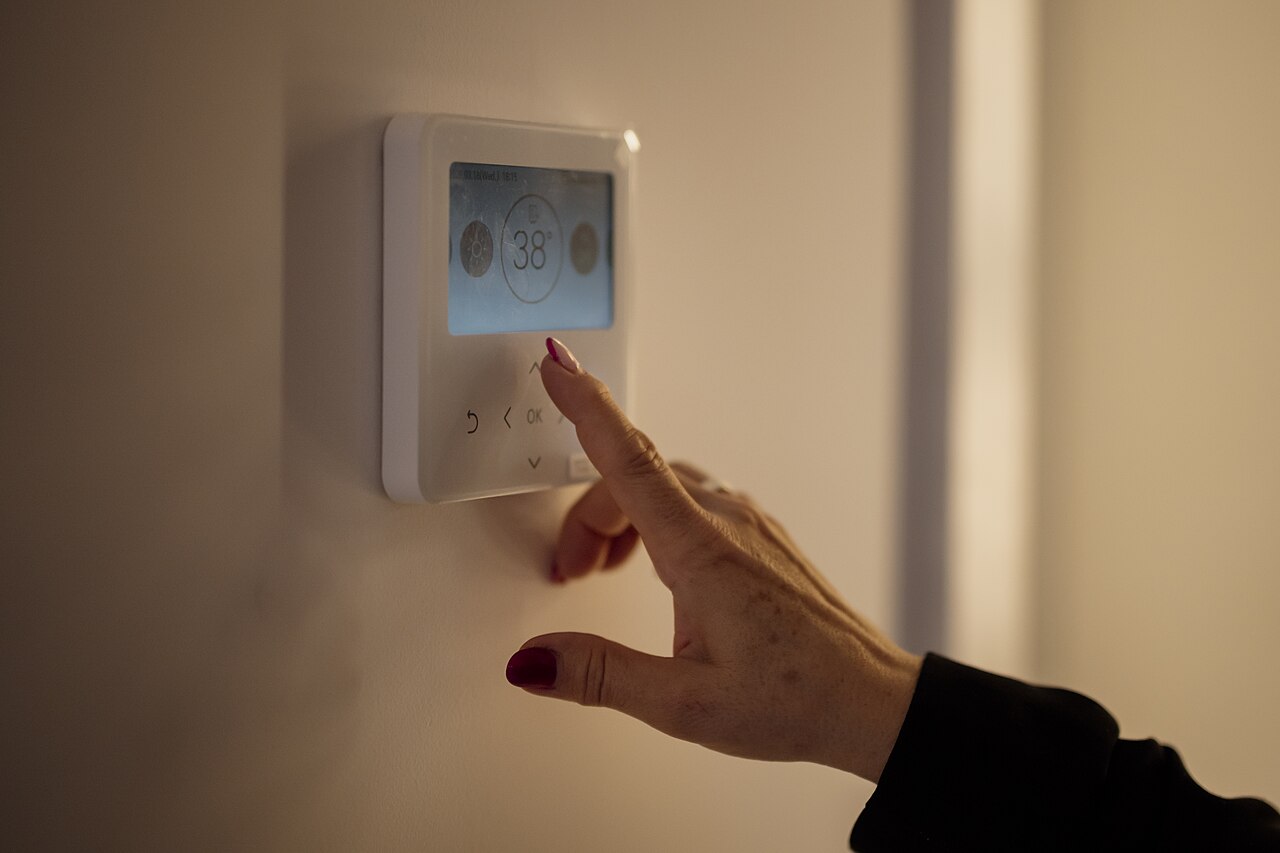
Right about now, in the first hot stretch of July, a lot of households are staring at an electric bill that jumped with the temperature and deciding whether to keep the air conditioner running. Here is something many of them do not know: the federal program most people think of as winter heating help also covers summer cooling in many states, and the summer application window in those states is open when the heat is at its worst.
The program is the Low Income Home Energy Assistance Program, or LIHEAP, run by the U.S. Department of Health and Human Services and delivered through states, territories, and tribes. The official program page at HHS’s Administration for Children and Families describes the mission plainly: help eligible low-income households with home heating and cooling costs, energy crises, and minor energy-related home repairs.
What LIHEAP can actually pay for
LIHEAP is more flexible than its reputation. Depending on how your state runs its program, the money can go toward regular heating bills in winter and cooling bills in summer, paid in most cases directly to your utility or fuel dealer as a credit on your account. It covers the range of heating sources, not just electricity and natural gas but also propane, heating oil, and wood in states where those matter.
Two other pieces are easy to miss. Crisis assistance provides fast help when you are facing a shutoff notice, an empty fuel tank, or broken equipment in dangerous weather, often on a faster clock than regular benefits. And states can use LIHEAP funds for minor weatherization and energy-related home repairs, such as fixing or replacing an unsafe furnace, which attacks the size of future bills rather than just the current one.
What LIHEAP generally does not do is cover water, sewer, phone, or internet bills. It is an energy program, and in most states the benefit is a set amount based on income, household size, fuel type, and sometimes energy burden, not a blank check for the whole balance.
Who qualifies
Eligibility is income-based, and the exact cutoffs belong to your state. Federal law sets the outer boundaries: states may set income eligibility as high as 150 percent of the federal poverty guidelines or 60 percent of the state’s median income, whichever is greater, and may not set the cutoff below 110 percent of the poverty guidelines. Within that band, each state picks its own line, which is why a household that misses the cutoff in one state might qualify across the border.
Many states also grant what is called categorical eligibility: if someone in your household already receives SNAP, SSI, TANF, or certain veterans benefits, you may be automatically income-eligible for LIHEAP. Renters can qualify, including in many states renters whose utilities are folded into their rent. You do not need to be behind on your bill to apply for regular assistance, though a shutoff notice can move you into the crisis lane.
How and where to apply
There is no national application. You apply through your state, territory, or tribal LIHEAP office, often via a local community action agency that handles intake. The fastest way to find yours is the official state-by-state LIHEAP contact map at ACF, which lists each program’s phone number and website. You can also call the National Energy Assistance Referral hotline at 1-866-674-6327, which points callers to their local program.
Expect the application to ask for proof of income for household members, a recent utility bill or fuel receipt, identification, and sometimes proof of address. If a shutoff is looming, say so immediately and ask about crisis assistance and about your utility’s own protections, since many states restrict disconnections for households with pending energy assistance applications, medical conditions, or during extreme weather.
Apply early, because the money runs out
The hardest thing to understand about LIHEAP is also the most important: it is not an entitlement. Congress appropriates a fixed pot of money each year, states receive shares by formula, and when a state’s funds for a season are spent, applications close no matter how many eligible households remain. HHS has long noted that appropriations reach only a fraction of the households that qualify on paper.
The practical lesson is to treat application windows like deadlines. States that run cooling assistance typically open it in late spring or summer; heating assistance often opens in the fall, with priority periods for seniors and people with disabilities in some states. If you think this coming winter will be tight, find out now when your state’s heating window opens and what documents you will need, so you are at the front of the line rather than behind the “funds exhausted” notice.
Stack it with the longer-term fixes
LIHEAP pays this season’s bill. Pair it with the programs that shrink every future bill. The Department of Energy’s Weatherization Assistance Program provides free efficiency upgrades such as insulation and air sealing to income-eligible households, and LIHEAP recipients are frequently eligible; details are at energy.gov. Your utility may offer its own discount rate, arrearage forgiveness, or budget billing plan, and USA.gov’s utility bill help page rounds up the options in one place.
One caution to end on: LIHEAP is free to apply for, through government and nonprofit agencies. Anyone who calls demanding a fee to enroll you, or immediate payment over the phone to stop a shutoff they claim is minutes away, is running a scam. Hang up, call the number on your actual utility bill, and apply for the real thing through the official state listing above.