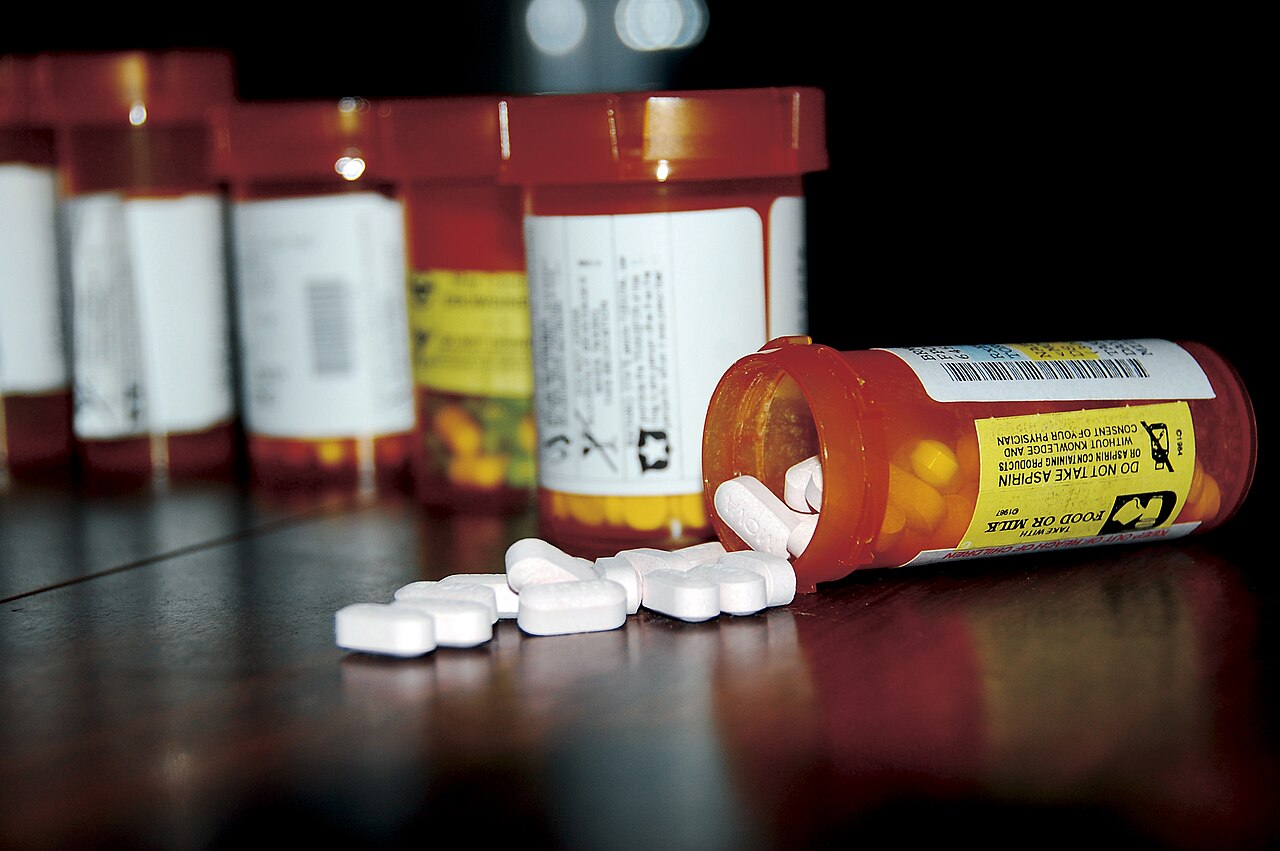
Reach for the store-brand ibuprofen and a little voice asks whether you are cutting a corner on your family’s health. That voice is expensive, and for medicine it is simply misinformed. When it comes to prescription and over-the-counter drugs, the generic on the low shelf is not an imitation of the brand name. Under federal law, it is required to be the same medicine.
The generic question shows up all over the store, from the pharmacy counter to the cereal aisle, and the honest answer is not the same everywhere. For drugs, the savings are large and the science is settled. For groceries and household goods, the savings are usually real but the products can genuinely differ, so it pays to know how to check. Here is where the trade-off is a free lunch and where it takes a minute of label reading.
What the FDA requires of a generic drug
A generic drug is not merely similar to its brand-name original. To win approval, the FDA requires a generic to have the same active ingredient, the same strength, the same dosage form (tablet, capsule, liquid), and the same route of administration as the brand, and to demonstrate that it works the same way in the body. Generic makers must also meet the same quality and manufacturing standards, and the FDA inspects their plants under the same rules it applies to brand-name factories. In plain terms: the parts of the pill that treat you are required to match.
What can differ are the inactive ingredients, things like fillers, dyes, and flavorings, along with the shape and color of the pill (trademark law actually requires generics to look different). For a small number of people with sensitivities to a particular inactive ingredient, that can matter, which is a conversation for your pharmacist. For everyone else, it is cosmetic.
The size of the discount
The payoff is not small. The FDA’s own consumer materials note that generics typically cost about 80 to 85 percent less than their brand-name equivalents, a gap that exists because generic makers do not have to repeat the costly clinical trials the original manufacturer ran, and because competition among multiple generic makers drives prices down further. On a maintenance medication you fill every month for years, choosing the generic can add up to thousands of dollars over time, for a product the law requires to perform the same.
If you want to verify that a generic version of your medication exists and is FDA-approved, the agency’s Orange Book database lists approved drug products and their therapeutic equivalents, and your pharmacist can look it up in seconds.
Over-the-counter medicine: read the Drug Facts box
The same logic runs the OTC aisle, where the price gaps between a national brand and the store brand beside it are often striking. Every OTC medicine sold in the United States carries a standardized Drug Facts label listing its active ingredient and strength. Hold the store brand next to the name brand: if the active ingredient and dose match, you are buying the same medicine in a different box. The FDA’s generic drug questions and answers cover how these standards work across prescription and nonprescription products. The brand name on a bottle of acetaminophen is marketing; the Drug Facts box is the product.
Groceries: usually the same suppliers, not always the same recipe
Food is where the picture gets more interesting. Store brands are frequently produced by large manufacturers, sometimes the very companies behind national brands, and for staples like flour, sugar, salt, canned vegetables, butter, and bleach, the store brand is commodity product in a plainer package. For staples, defaulting to the store brand is one of the easiest recurring savings in the store.
But unlike drugs, there is no law requiring a store-brand cookie to match the brand-name recipe. Formulations can differ, and sometimes you can taste it. The sensible approach is the one-purchase test: try the store brand once, and let your own kitchen decide. Compare the ingredient list and the nutrition panel, and check the unit price on the shelf tag so you are comparing cost per ounce rather than package price. Where the store brand passes your taste test, the savings repeat every week forever. Where it fails, pay for the brand you actually prefer and skip the guilt.
Where paying for the brand can make sense
None of this means brands are a scam. A brand can carry a real difference in taste, texture, or performance you personally value, and for a handful of medical situations, such as a drug your doctor specifically wants dispensed as written, or a documented reaction to an inactive ingredient, the brand may be the right call. Those are reasons, and they are worth paying for when they apply to you.
What is not worth paying for is the assumption that a higher price means a better or safer product. At the pharmacy, federal standards make the generic the same medicine at a fraction of the cost. In the grocery aisles, the store brand wins often enough that the burden of proof belongs on the brand. Let the labels, not the logos, spend your money.