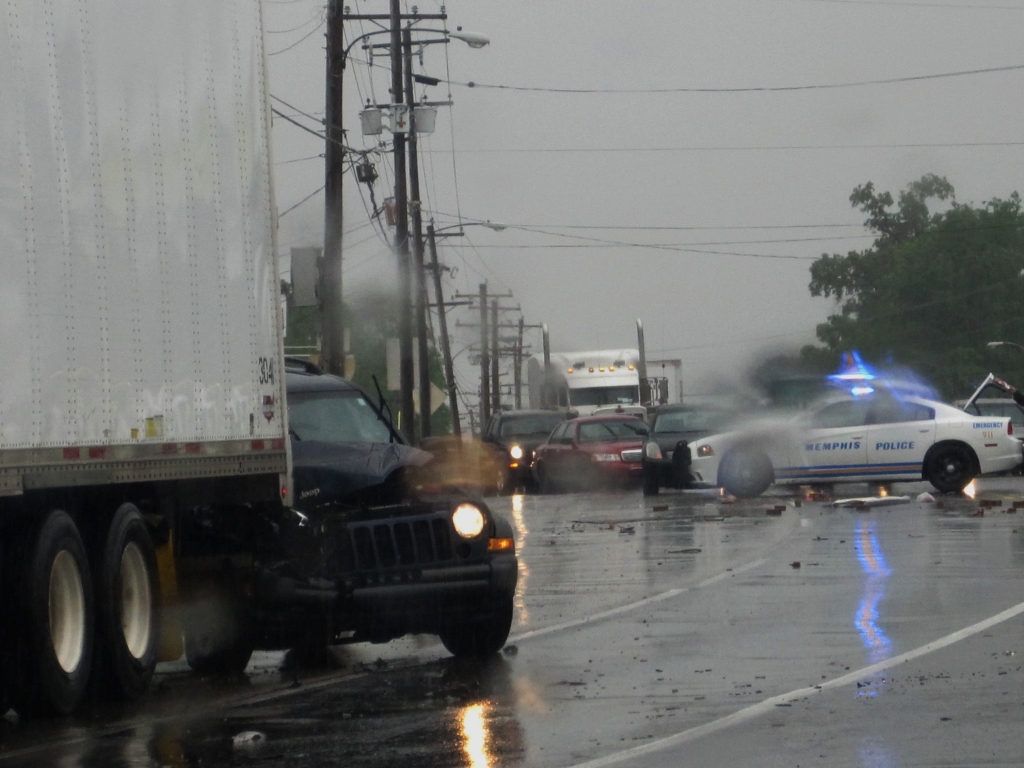
The minutes after a crash are the worst possible time to learn how insurance claims work. Your hands are shaking, another driver is talking at you, and decisions you make in the next hour, what you photograph, what you say, whom you call, will quietly shape what your insurer pays weeks later. The good news is that the claims process follows a predictable script, and drivers who know the script get treated noticeably better by it.
This is that script: what to do at the scene, how the claim actually moves once you file it, and what your options are if the offer that comes back is slow, small, or simply wrong. None of it requires legal training. Most of it requires a phone camera and a little stubbornness about paperwork.
At the scene: safety, then documentation
People and traffic come first. Move to safety if you can, check on everyone involved, and call 911 if anyone may be hurt or the vehicles are blocking the road. Many states require you to report crashes involving injury or significant damage to police or the state, and requirements vary; your state motor vehicle agency, reachable through USA.gov’s motor vehicle services directory, publishes the rules where you live. When officers respond, ask how to get a copy of the crash report, because that document anchors everything that follows.
Then document like a skeptic will read it later, because one will. Exchange names, contact information, insurance company and policy numbers, license plates, and driver’s license details with the other driver. Photograph everything: all four corners of both cars, close-ups of damage, the wider scene, skid marks, traffic signs, and the other car’s plate and insurance card. Collect names and numbers of witnesses. Be civil, and stick to facts; there is no need to argue fault at the curb, and no benefit to announcing “I’m sorry” as a reflex. Fault gets decided later, from evidence.
Filing: start the clock promptly
Notify your insurance company as soon as you reasonably can, even if the other driver seems clearly at fault, and even if the other driver begs you to settle privately. Policies require prompt notice, and a “friendly” cash arrangement collapses the moment the other party changes their story or a hidden injury surfaces. Most insurers now take first reports through an app or website and let you upload your photos directly. You will receive a claim number and, shortly after, an adjuster: the person assigned to investigate, determine fault under your state’s rules, and value the damage.
The adjuster, the estimate, and your choice of shop
The adjuster’s estimate is the insurer’s opinion of what repairs should cost. It is a starting point, not a verdict. In general you may choose your own repair shop, though the details and the insurer’s obligations vary by state; insurers often steer customers toward their networks, which can be convenient but is typically not mandatory. If your shop finds additional damage once panels come off, which is common, the shop and adjuster negotiate a supplement. Keep copies of every estimate, invoice, and text or email. If the car is declared a total loss, the insurer owes you its actual cash value, the market value of your car the moment before the crash, and you are allowed to check that number yourself against listings for comparable vehicles and to submit evidence when the offer runs low.
Your rights when the claim goes sideways
Insurance is regulated state by state, and every state has laws or regulations against unfair claims practices, covering things like unreasonable delays, failing to explain a denial, or offering settlements far below documented value. Your leverage lives in three places. First, the paper trail: put disagreements in writing and ask the insurer to respond in writing, including the specific policy language behind any denial. Second, escalation inside the company: every insurer has a process above the front-line adjuster, and calm, documented persistence moves files. Third, your state insurance department, which licenses insurers and takes consumer complaints; regulators track complaint patterns and insurers know it. You can locate your state’s offices through the federal state consumer office directory, and the government’s step-by-step complaint guide lays out how to escalate effectively. For large or injury-related disputes, consulting an attorney is reasonable; many offer free initial consultations on claim disputes.
Mistakes that shrink settlements
A few patterns cost claimants real money. Waiting weeks to report the crash, which gives the insurer a reason to question everything. Giving a detailed recorded statement to the other driver’s insurer without preparation; you generally owe cooperation to your own insurer, not theirs, and it is fair to keep any conversation with the other company brief and factual. Cashing a check marked as final settlement while damage is still being discovered. Tossing receipts for towing, rentals, and out-of-pocket costs that were reimbursable all along. And forgetting the medical side: injury symptoms can surface days later, so getting checked promptly both protects your health and documents the link to the crash.
Before you ever need this
Two five-minute preparations make every future claim easier. Keep your insurance card, registration, and a one-page checklist of the steps above in the glove box, because no one remembers procedure at the roadside. And read the declarations page of your policy once a year so you know your deductibles, your rental coverage, and your uninsured motorist protection before the day you need them. A claim is a negotiation with a professional counterparty. Showing up organized is how a regular driver evens the table.