The bill lands and the number is wrong. Not a little high, but double a normal month, with no new appliances, no houseguests, no heat wave you can point to. Your first instinct may be to just pay it and hope next month looks normal. Resist that. Utility bills are built from meter readings, rate schedules, and billing software, and every one of those ingredients can fail. Utilities have formal dispute processes, and behind them, in every state, sits a regulator whose job includes refereeing exactly this fight.
Here is a step-by-step way to challenge a bill you believe is wrong, while keeping the lights on in the meantime.
Step one: read your own meter
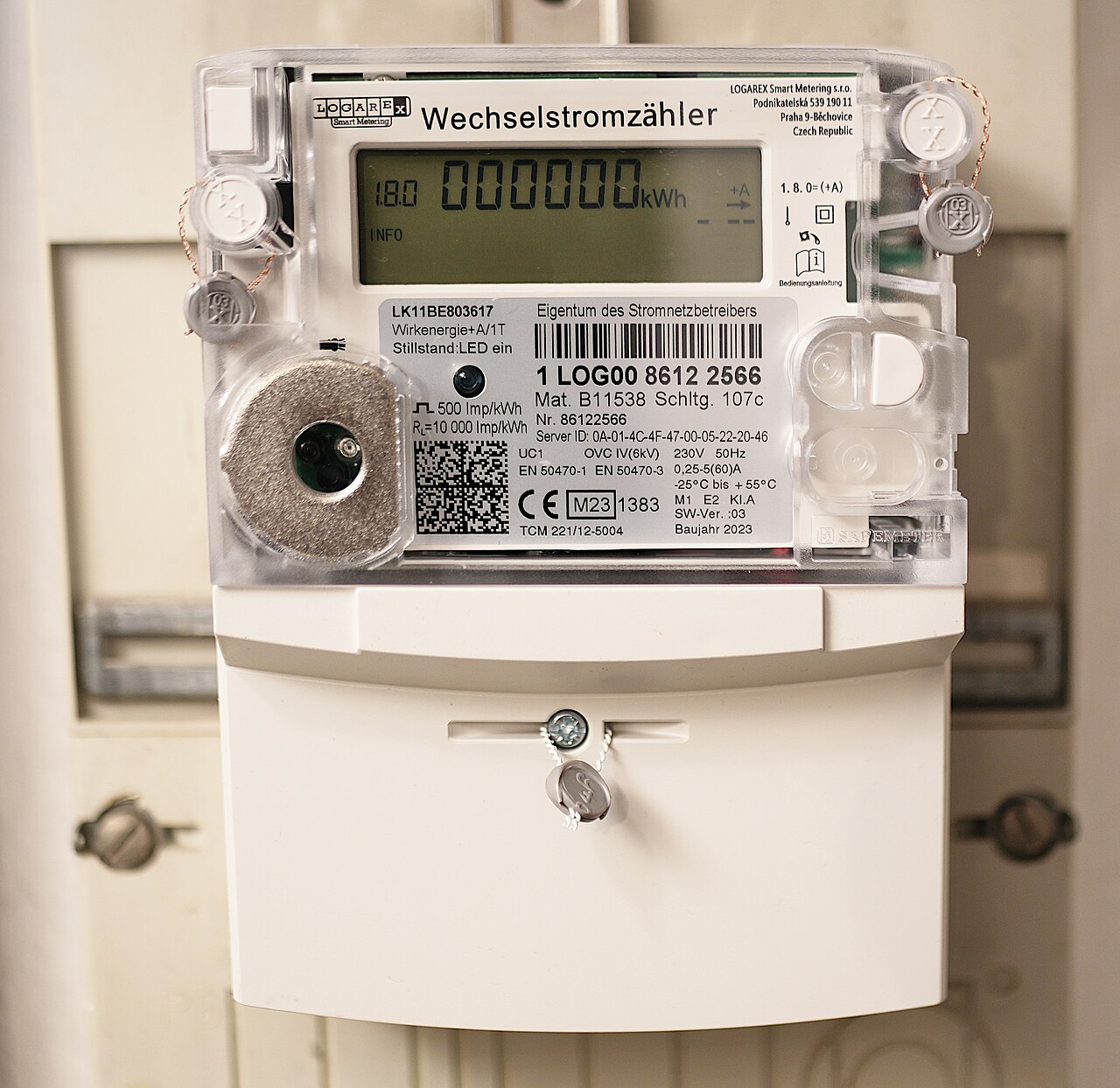
Start with the physical facts. Your bill shows a starting and ending meter reading for the period. Go to your meter and compare the current reading to the ending number on the bill. If the meter today reads lower than the bill’s ending read, the bill was based on a reading that never happened, and you have found your problem.
Check whether the bill says the reading was actual or estimated. Utilities sometimes estimate usage, marked with an “E” or the word estimated, when a meter could not be read, and a bad estimate followed by a true reading is one of the most common causes of a shock bill: several undercharged months get corrected all at once. Also confirm the meter number on the bill matches the meter on your wall, because in apartment buildings and duplexes, crossed meters are a real and recurring error.
While you are there, note the reading with a dated photo. A week later, read it again. Simple subtraction gives you your actual daily usage, which you can compare against what the bill claims. The Department of Energy’s Energy Saver resources can help you sanity-check whether your appliances could plausibly draw what the bill says they did.
Step two: open a formal dispute with the utility
Call the number on the bill and say the words: I am disputing this bill. That phrase matters, because it moves you from a casual inquiry into the utility’s formal complaint track, which in most states carries procedural protections. Ask what the dispute process is, get a reference or case number, and write down the date and the name of every person you speak with.
Follow up in writing, whether through the utility’s online portal or a letter, restating the account number, the billing period, why you believe the bill is wrong, and what you have observed on the meter. Keep copies of everything. If the bill spiked, ask the utility for your usage history, which you are generally entitled to see, and for the exact reads behind the disputed period.
Step three: ask for a meter test
If the readings are real but the usage still makes no sense, the meter itself may be over-registering. You can request a meter accuracy test, and in many states regulated utilities must test a customer’s meter on request, free of charge at least once within a set period. If the meter fails the test, rules typically require the utility to correct past bills for the affected period, not just future ones. Get the test result in writing either way.
Be honest with yourself about the alternative explanation, though. A failing water heater element, a struggling air conditioner, a space heater, or a pool pump running around the clock can quietly double usage. If the meter passes and the reads are actual, the next investigation is inside your own walls.
Step four: escalate to your state utility commission
If the utility rejects your dispute and you still believe the bill is wrong, you are not out of moves. Investor-owned electric, gas, and water utilities are regulated by a state public utility commission or public service commission, which sets their rates and their billing conduct rules and runs a consumer complaint process that is free to use. The commission can require the utility to respond formally, and its rules often prohibit disconnection while a bona fide dispute is pending before it.
Finding yours is straightforward: your bill will name the commission, and USA.gov’s state consumer directory can route you to the right state office if you are unsure where to start. One wrinkle worth knowing: municipal utilities and rural electric cooperatives are often outside PUC jurisdiction, answering instead to a city council or an elected co-op board. The dispute logic is the same, but the referee is local, and showing up to a board meeting is sometimes the escalation path.
Protect the essentials while you fight
A dispute is not a payment holiday. The standard, safest practice is to pay the undisputed portion, roughly what a normal month costs you, and say clearly that you are doing so while the disputed balance is investigated. That keeps you out of shutoff territory and shows good faith, which matters if the case lands in front of a regulator.
If the bill is accurate but simply unaffordable, shift strategies: ask the utility about payment arrangements, and look at the Low Income Home Energy Assistance Program, which helps eligible households with energy bills and shutoff emergencies through the state programs listed at HHS. Many states also restrict disconnections during extreme heat or cold or for households with medical needs, and USA.gov’s utility bill help page gathers the assistance options in one place.
The paper trail is the whole game
Billing disputes are won by the boring stuff: dated photos of the meter, a folder of bills, names and case numbers, letters sent and answers received. Utilities correct genuine errors constantly, and regulators order refunds when the record supports them. Build the record from the first phone call, and a wrong bill becomes a solvable problem instead of a bill you paid because arguing felt hopeless.