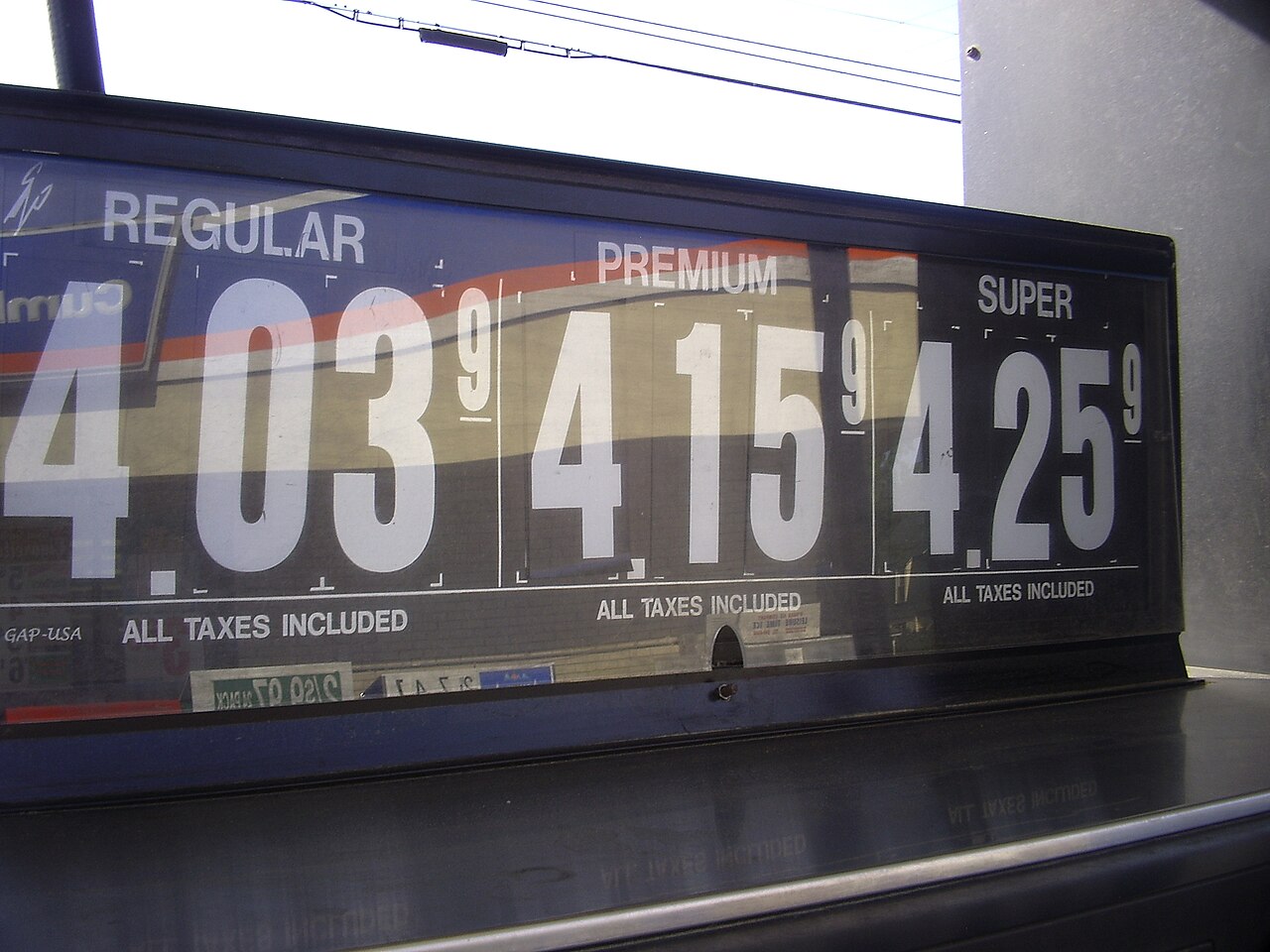
Drive one loop around town and you can watch the price of the same gallon of regular swing by a dime or more between stations, sometimes on the same block. Add the smaller cash price many stations post under the credit price, and the spread widens again. For a two-car household filling up every week, the gap between paying attention and not paying attention at the pump adds up to real money over a year.
The trouble with gas-savings advice is that so much of it is folklore. Some tricks work, some are rounding errors, and one popular habit (buying premium “as a treat” for a car that does not need it) is a pure giveaway. Here is what actually moves the needle, with the federal data and tools to back it up.
Know what you are actually paying for
It helps to understand why the sign says what it says. The U.S. Energy Information Administration, which surveys pump prices across the country every week for its Gasoline and Diesel Fuel Update, breaks the retail price into four parts: the cost of crude oil, refining, distribution and marketing, and taxes. Crude oil is consistently the largest component, which is why pump prices track world oil markets, and taxes vary by state, which is why prices jump at some state lines. The EIA’s explainer on gasoline prices walks through the whole stack. The takeaway for your wallet: the station owner controls only a thin slice of the price, and stations near each other compete hard on that slice. Which is exactly why shopping around works.
The cash discount is real, when the math is
Many stations post two prices: a lower one for cash (often extended to debit cards or the station’s own app) and a higher one for credit. The station does this because card networks charge it a processing fee on every credit swipe, and it would rather share that saving with you than pay it to the network. Whether cash is the better deal depends on your card. If your credit card pays meaningful rewards on gas purchases, the rewards can offset some or all of the cash discount; if you carry a balance and pay interest, the credit price is even worse than it looks. Read the two prices on the sign, know what your card actually returns, and do ten seconds of arithmetic. Just as important: read the sign before you pull in, because the big number displayed is sometimes the cash price, with the credit price in smaller type.
Your right foot is a bigger lever than the sign
The least glamorous savings are the largest. The Department of Energy and EPA’s fueleconomy.gov reports that aggressive driving, meaning speeding, rapid acceleration, and hard braking, can lower gas mileage by roughly 15 to 30 percent at highway speeds and 10 to 40 percent in stop-and-go traffic. No coupon or loyalty card comes close to that range. Fuel economy also typically falls off quickly at speeds above about 50 miles per hour, so the difference between cruising at 65 and pushing 80 shows up at your next fill. Smooth acceleration, easing off early toward red lights, and using cruise control on the highway are free and permanent discounts.
Two more habits from the same playbook: do not haul cargo you do not need, since extra weight and roof racks cost fuel, and do not idle to “warm up” a modern engine, which mostly burns gas going nowhere.
Premium gas: pay for it only if your engine requires it
Check your owner’s manual. If it says your car runs on regular, buying premium is not pampering the engine; it is paying a large per-gallon markup for octane your engine cannot use. Federal fuel-economy guidance on octane is blunt about this: use the octane rating your manufacturer recommends. The distinction that matters is “required” versus “recommended.” If premium is required, use it. If it is merely recommended, the manual will usually say regular is acceptable, with a modest performance trade-off you may never notice in commuting. And if your car requires only regular, the premium button is simply the most expensive button on the pump.
Loyalty programs and warehouse clubs, with eyes open
Grocery-store fuel points and station apps deliver genuine cents-off-per-gallon savings when they piggyback on shopping you were doing anyway. The trap is letting a fuel promotion steer you into buying groceries you would not otherwise buy, or driving miles out of your way to redeem a discount that the detour burns up. The same logic covers chasing the cheap station: a lower price across town has to beat the fuel and time spent getting there. Use a price-comparison app or simply learn which two or three stations on your normal routes run cheapest, and let the discounts come to you.
Maintenance: the quiet leak in the budget
Underinflated tires, an overdue engine problem flagged by a lit check-engine light, or the wrong motor oil all drag on fuel economy, and fueleconomy.gov maintains plain-English guidance on each. Keeping tires at the pressure listed on your door-jamb sticker is a two-minute monthly ritual with a payoff every single mile. None of these fixes is dramatic on its own. Stacked together, sane driving, the right octane, air in the tires, and thirty seconds of price awareness before you pull in, they are the difference between fuel costs that happen to you and fuel costs you manage.