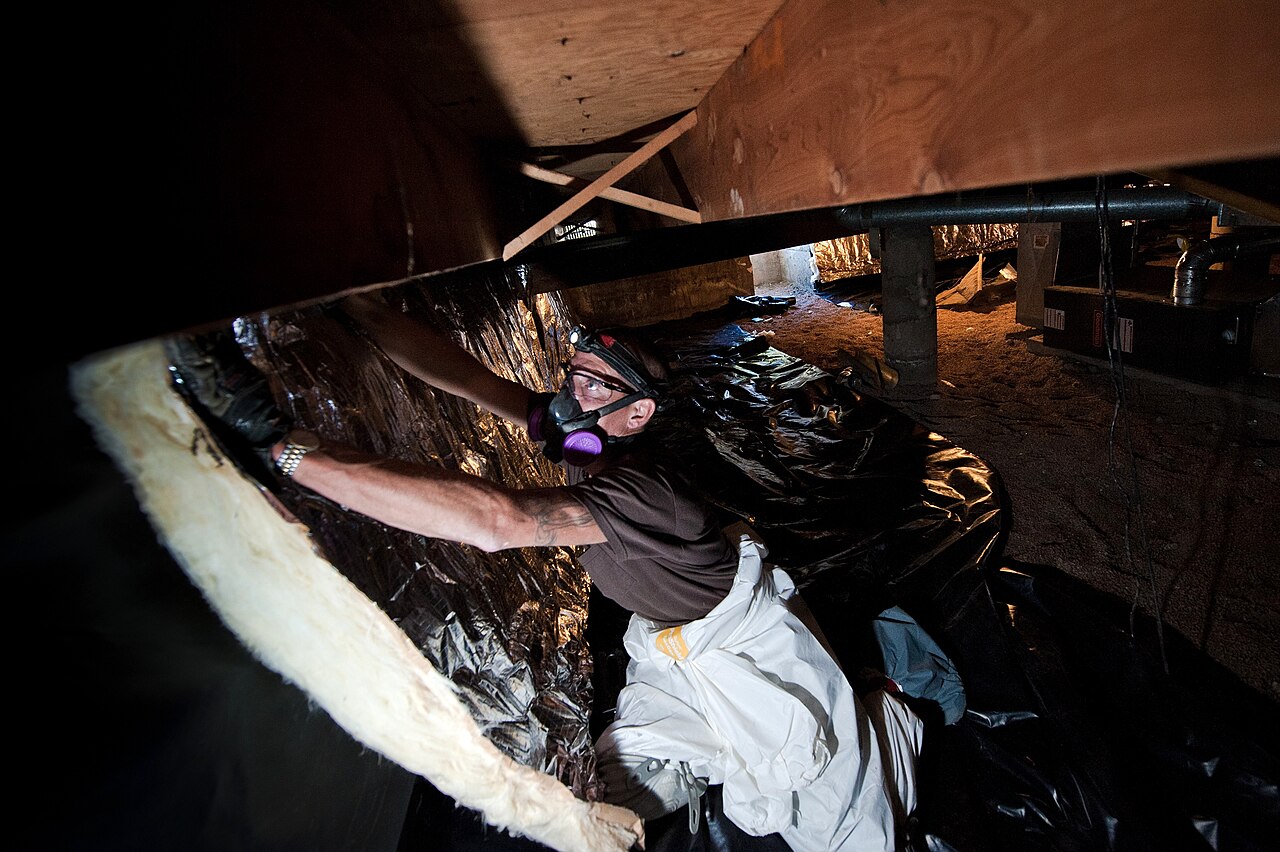
Most energy assistance pays a bill and disappears. There is one federal program that instead sends a crew to your house, finds where your money is leaking out through the attic, the ducts, and the gaps around the doors, and fixes it at no cost to you. The catch is that most people who qualify have never heard of it.
It is called the Weatherization Assistance Program, or WAP, run by the U.S. Department of Energy and delivered through states, territories, and tribes to local agencies that do the actual work. The program has operated since 1976, making it the nation’s longest-running energy efficiency program, and its official page at energy.gov spells out the mission: reduce energy costs for low-income households by increasing the energy efficiency of their homes, while keeping those homes healthy and safe.
What the crews actually do
Weatherization starts with an energy audit, a professional inspection of how your home uses and loses energy. Auditors use tools like blower door tests, which depressurize the house to reveal exactly where outside air is sneaking in, and the audit produces a work order tailored to your home rather than a one-size-fits-all package.
From there, the common measures include insulating attics, walls, and floors; sealing air leaks around windows, doors, and ductwork; repairing or tuning up heating and cooling equipment, and replacing it when it is unsafe or beyond saving; and addressing hot water costs with measures like pipe insulation. Crews also perform health and safety checks that are easy to undervalue: testing for carbon monoxide, inspecting combustion appliances, and making sure the house vents properly, because a tighter home has to be a safe home.
None of this is cosmetic remodeling, and it is not a window-replacement giveaway. It is the unglamorous work that permanently changes what your furnace and air conditioner have to fight against, which is why the savings continue year after year instead of ending when a benefit check runs out.
Who qualifies
Eligibility is income-based, and the Department of Energy sets the framework: households with income at or below 200 percent of the federal poverty guidelines are eligible, and states may also use their LIHEAP eligibility criteria in setting their rules. If you receive Supplemental Security Income or cash assistance under your state’s TANF program, you are generally eligible automatically. The details for your state are linked from DOE’s how-to-apply page.
Within the eligible pool, federal rules direct states to give priority to the households that need it most: older adults, people with disabilities, families with children, households with the highest energy bills, and those with a high energy burden relative to income. If that describes your household, say so on the application, because it can move you up the list.
Renters can qualify too
You do not have to own your home. Renters are eligible for weatherization, including residents of multifamily buildings, though the landlord’s cooperation is required since the work modifies the property. States typically require the owner’s written permission and have rules designed to make sure the benefit reaches the tenant, not just the building owner. If you rent and your unit is drafty or expensive to heat and cool, it costs nothing to ask your local weatherization agency how landlord participation works in your state.
How to apply, and what to expect
Applications go through your state’s weatherization office or, more often, the local community action agency it designates. Start at DOE’s application page, which routes you to the right contact for your state. Expect to provide proof of income for the household, and be ready to describe the home’s problems: high bills, drafts, equipment that struggles.
Then expect a wait. Demand for weatherization outruns funding nearly everywhere, and waitlists measured in months are normal, sometimes longer. That is not a reason to skip applying; it is a reason to apply now rather than in the middle of the next brutal season. Priority status can shorten the wait, and once your number comes up, the audit, the work, and a post-work inspection all happen at no charge to you.
What it is worth
The Department of Energy describes the program’s results in terms of lower energy bills and improved health and safety, with savings that recur every year the improvements are in place. The exact dollar impact depends on your home, your climate, and your fuel, but the direction is one-way: insulation and air sealing do not expire, and a furnace that runs efficiently keeps doing so long after the crew leaves. Households also report quieter homes, fewer drafts, and more even temperatures, the kind of quality-of-life change a bill credit never delivers.
Pair it with help for the current bill
Weatherization fixes future bills. If the current one is the emergency, the Low Income Home Energy Assistance Program, LIHEAP, helps eligible households pay heating and cooling costs and handle shutoff crises; find your state program through HHS. The two programs share an income-eligible population, and many local agencies administer both, so one visit can start both applications. For the fuller menu of utility discounts and hardship programs, USA.gov’s utility help page is the clearinghouse.
A final note on trust: weatherization is free through government-designated agencies. If someone knocks on your door selling “free government weatherization” that requires a deposit, a loan signature, or your utility account login, that is not this program. Find your real local agency through energy.gov and apply there. The genuine article asks for your income paperwork, not your money.