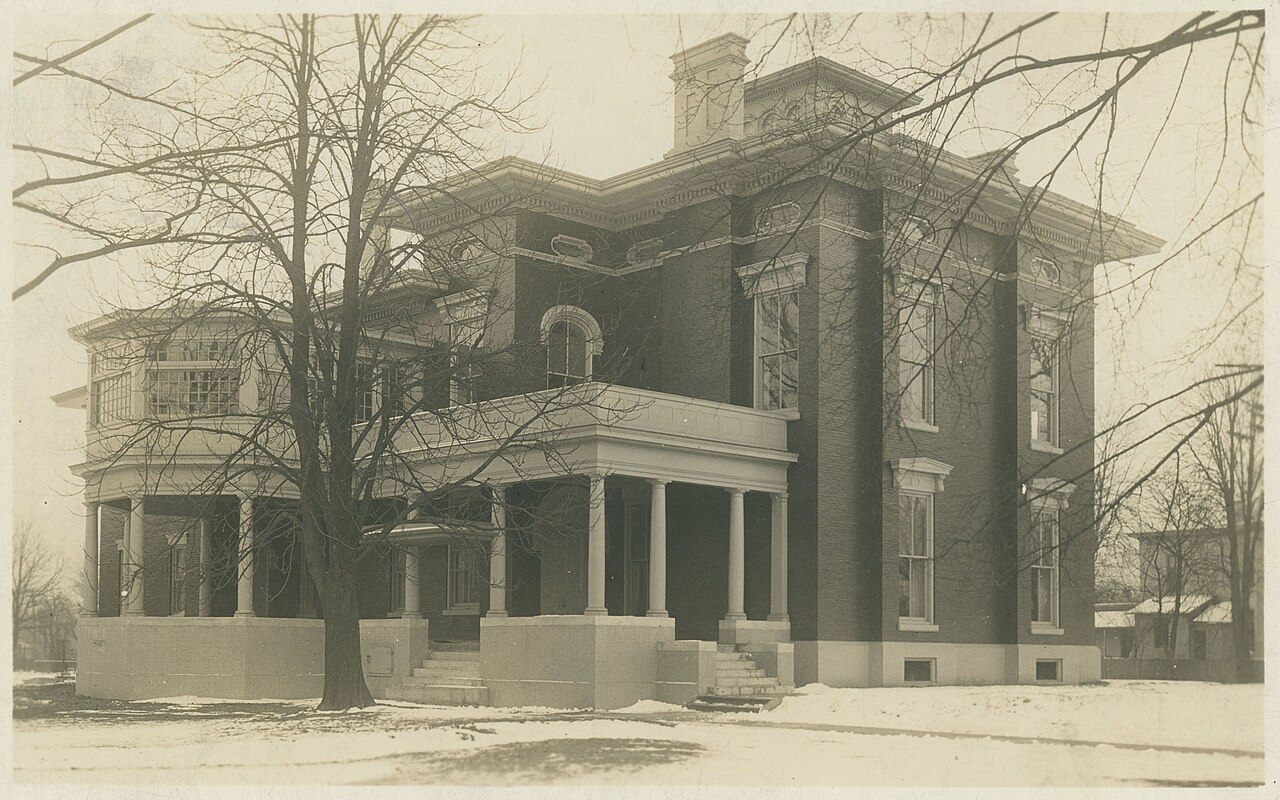
Two nearly identical houses can sit on the same street, carry the same market value, and still pay noticeably different property tax bills. Often the entire difference comes down to a single form: one owner filed for a homestead exemption and the other never did.
A homestead exemption shields a slice of your primary home’s value from property tax. It is one of the most widespread tax breaks in America, offered in some form by most states, and one of the most commonly missed, because in many places nobody applies it for you. Property taxes are a state and local matter, so the details live with your county assessor or state revenue department; USA.gov’s state and local tax page shows how to find the right office.
How the math works
Property tax is your home’s taxable value multiplied by the local tax rate. A homestead exemption cuts the first number. Some states exempt a flat dollar amount of value from taxation, so the exemption is worth the most, proportionally, on modest homes. Others exempt a percentage of the home’s value, which scales up with the house. A few run the benefit as a credit that directly reduces the bill instead of the value.
Either way, the mechanism is the same: the assessor still values your home at full market value, then subtracts the exemption before the rate applies. The exemption does not change what your home is worth or what you could sell it for. It only changes what the tax collector can count.
Who qualifies, and for which house
The core requirements are consistent almost everywhere. You must own the home, and it must be your primary residence, the place you actually live, not a rental property, a second home, or a vacation cabin. Many states set an occupancy date, requiring that you owned and lived in the home as of January 1 of the tax year, or by some other fixed date, to qualify for that year’s exemption.
One household generally gets one homestead. Claiming exemptions on two homes in two states is a classic audit target for county assessors, and getting caught usually means repaying the improper break with penalties. If you move, expect to file fresh paperwork on the new house, because in most places the exemption does not follow you automatically.
The bigger breaks: seniors, veterans, and people with disabilities
The basic homestead exemption is often just the entry point. Many states stack additional relief on top for homeowners 65 and older, for people with qualifying disabilities, and for veterans, with the deepest benefits often reserved for veterans with service-connected disabilities. Surviving spouses frequently qualify to keep a deceased partner’s exemption as well.
Beyond exemptions, look for three other relief flavors your state may offer. Assessment freezes lock the taxable value of a qualifying senior’s home so it stops climbing with the market. Circuit breaker programs cap property taxes as a share of income and refund the excess, usually for lower-income or older homeowners, and some cover renters too. Deferral programs let qualifying owners postpone property taxes, often until the home is sold, with the deferred amount becoming a lien. Each has its own application and income rules, and your county assessor or your state revenue department can tell you what exists locally; the local government directory at USA.gov is a quick way to reach either.
How to actually claim it
Applying is usually a one-page form filed with the county assessor, appraisal district, or state revenue office, and it is free. Expect to show proof of ownership and residency, such as a driver’s license matching the property address. Deadlines matter: many jurisdictions require the application by a fixed date in the spring to affect that year’s bill, and filing late often just pushes the benefit to next year rather than losing it forever.
In most states, once granted, the exemption renews automatically as long as you own and occupy the home, though some senior and income-based programs require annual renewal. New homeowners should treat the exemption as a closing checklist item: buy the house, set up the utilities, file the homestead form. If you have owned your home for years and are not sure whether you have it, look at your most recent tax bill or the assessor’s online record for your parcel. The exemption, if present, is typically listed right on it.
Missed it? Ask about back years
If you discover you qualified all along and never filed, do not assume the money is gone. A number of jurisdictions allow retroactive homestead claims for one or more prior years, refunding or crediting the overpayment. The rules vary widely, but the question costs nothing: call the assessor and ask whether late or retroactive filing is available. While you are at it, confirm the property record has your home’s details right, since errors there inflate bills in their own way.
For itemizers, remember that the property taxes you actually pay may be deductible on your federal return within the limits in IRS Tax Topic 503. An exemption shrinks the bill itself, which is better than a deduction anyway: it is money you never send at all.
Ignore the letters offering to file for a fee
One warning, because it is a perennial: after home purchases become public record, some companies mail new owners official-looking “homestead designation” solicitations offering to file the exemption paperwork for a fee that can run well into two or three figures. The service they are selling is a free government form. If one of these lands in your mailbox, file directly with your assessor instead, and if the mailer seems designed to impersonate a government office, report it to your state consumer protection office through USA.gov’s state consumer directory. The exemption was always yours. The only step that was ever required was asking.