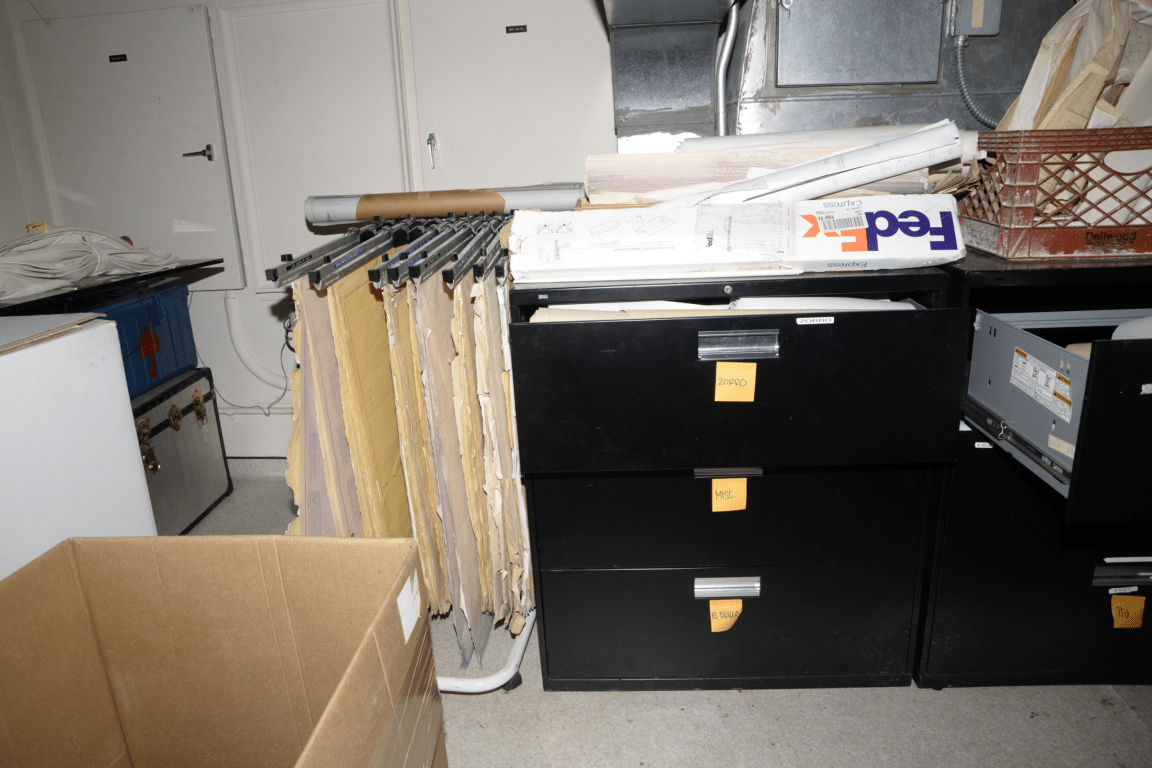
Somewhere at your employer, on a server or in an actual drawer, there is a file with your name on it: performance reviews, write-ups, pay history, maybe notes you have never seen. Here is the fact that surprises most workers: no federal law gives private-sector employees a general right to look at that file. Whether you can see it, copy it, or answer what is in it depends almost entirely on which state you work in.
That does not mean you are powerless. A patchwork of state access laws, plus several targeted federal rights covering medical records, background checks, and safety records, means most workers can get at least part of the picture, and workers in many states can get nearly all of it. Knowing which door to knock on is the whole game.
The general rule: state law decides
A substantial number of states have personnel-file access laws, and they vary on every axis: whether current employees, former employees, or both can look; how often you can ask; whether you can copy the file or only inspect it; how many days the employer has to respond; and whether you can insert a written rebuttal to something you dispute. Some states require access within a set number of business days of a written request and let you obtain copies, sometimes at your own copying cost. Others have no access statute at all, in which case a private employer may lawfully treat the file as its own property and decline to show it.
The reliable way to learn your state’s rule is to ask your state labor department directly; the U.S. Department of Labor maintains a directory of state labor offices with contact information for each. Ask two questions: does my state have a personnel-records access law, and does it cover former employees?
Records you can get regardless of state
Even in states with no general access law, several categories of records come with their own federal access rights. If your job involves exposure to chemicals, noise, or other hazards, OSHA’s access to exposure and medical records standard gives you, and your designated representative, the right to see and copy your workplace medical records and exposure monitoring records, generally within 15 working days of asking.
Background checks are another carve-out. If an employer used a third-party screening company for a background report, the Fair Credit Reporting Act required your authorization up front, and if the employer takes adverse action based on the report, you are entitled to a copy of it and a chance to dispute errors. The FTC explains these rights in its guide to employer background checks. Separately, employers covered by disability and medical-leave laws must keep medical information apart from the regular personnel file, which is why you should ask for medical records explicitly if that is what you need.
Government workers play by different rules
Public-sector employees generally have stronger access. Federal employees can request their Official Personnel Folder, and the Privacy Act gives them rights to see and correct records the government keeps about them; the Office of Personnel Management describes the process on OPM.gov. State and municipal workers are typically covered by state public-records and civil-service rules that include access rights. If you work for a government at any level, start with your HR office and cite your jurisdiction’s records law.
Pay records: kept, but not automatically shown
A common misconception is that federal wage law opens payroll records to workers. The Fair Labor Standards Act requires employers to keep accurate records of hours and wages, but the required disclosure runs to the government, not to you. What you do have in every state is your pay stubs, your W-2s, and the right to file a wage complaint that puts those employer records in front of an investigator. Many states additionally require itemized pay statements each payday, which is a records right in miniature.
How to make the request well
Put it in writing, addressed to HR: a short, neutral note asking to inspect and copy your personnel file under your state’s law, naming the statute if you know it. Keep the tone administrative rather than adversarial; a request that reads like a lawsuit invites a defensive crawl. If your state grants a right to respond, and you find something you dispute, submit a brief, factual rebuttal for the file rather than demanding removal, which most laws do not require. Keep copies of the request, the response, and everything you receive.
If the answer is no
When an employer refuses in a state with an access law, a follow-up letter citing the statute usually resolves it, and the state labor department can enforce it if not. In a state without an access law, you still have the targeted rights above, and one more lever worth knowing: if a dispute ever becomes a legal claim, the entire file becomes discoverable, a fact that encourages most employers to handle records requests reasonably. The file has your name on it. In more places than people think, the law says you get to read it.